With their vibrant, colorful spikes, lupines are a total showstopper in any backyard. But honestly, their good looks are just the beginning! These plants are incredibly low-maintenance and actually do some heavy lifting to improve your soil quality. Plus, they make gorgeous cut flowers if you want to bring a bit of that garden magic indoors.
Finding the Perfect Spot
Lupines are about as easygoing as it gets. Once they’re established in your garden, you won’t need to worry about fertilizing them, and they only need regular watering right after you first plant them. The real secret to success is picking the right location. If you want those tall, stunning blooms to keep coming back, keep these three things in mind:
- Sun is key: They love a bright, sunny spot.
- Watch the breeze: Pick a place sheltered from high winds so those tall stalks don’t snap.
- Give ’em room: Space your plants about two feet (half a meter) apart so they have room to breathe.
Nature’s Own Fertilizer
One of the coolest things about lupines is their deep root system. These roots act like natural tillers, diving deep into the earth to break up tough, compacted soil. But it gets even better: lupines are basically a living green manure. Their roots attract special bacteria that pull nitrogen from the air and “fix” it into the soil. This process feeds the lupine itself first, but eventually, it enriches the surrounding dirt with nitrogen for all your other plants to enjoy. It’s a win-win for your garden’s ecosystem!
A Rainbow of Blooms
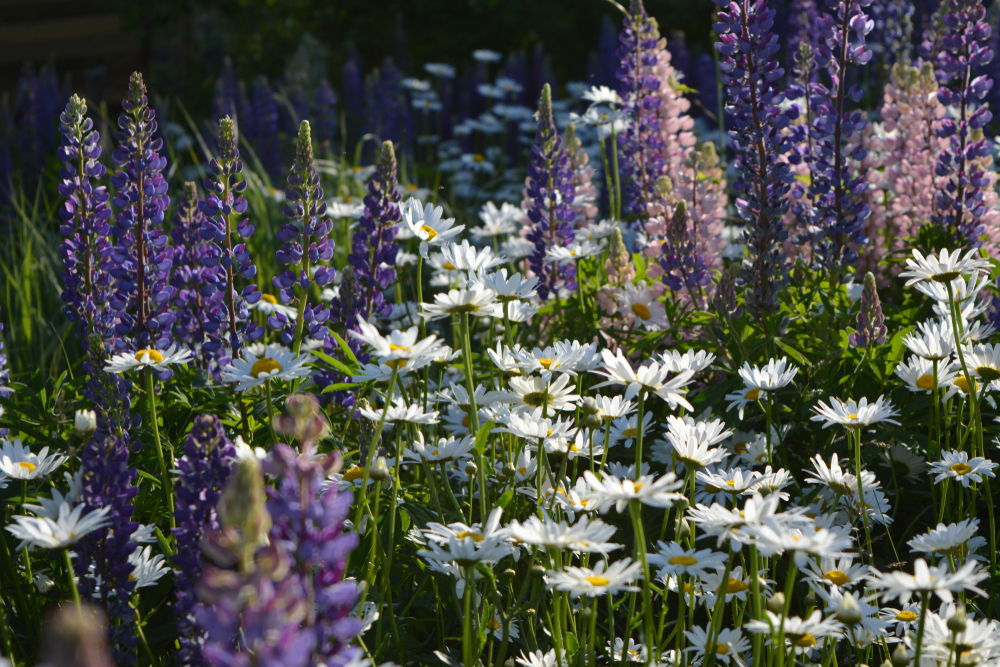
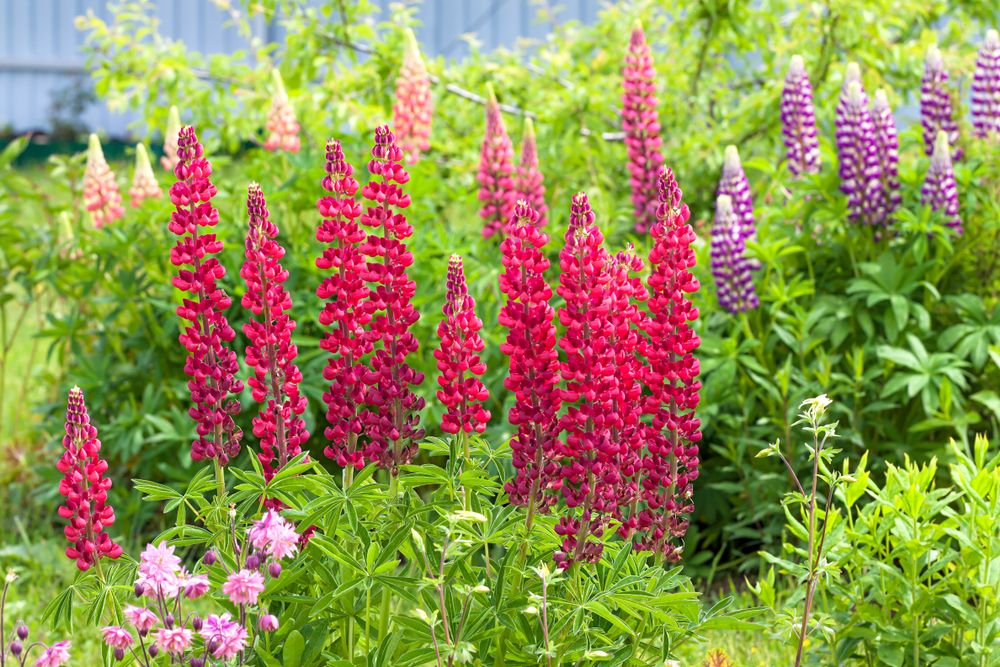
Of course, most of us plant lupines for that incredible pop of color. You can find them in almost every shade imaginable—from crisp whites and sunny yellows to soft pinks and deep, moody purples. Some varieties even sport bicolor spikes, giving you two tones on a single stem. They usually show off their colors between May and August, keeping your garden looking bright all summer long.