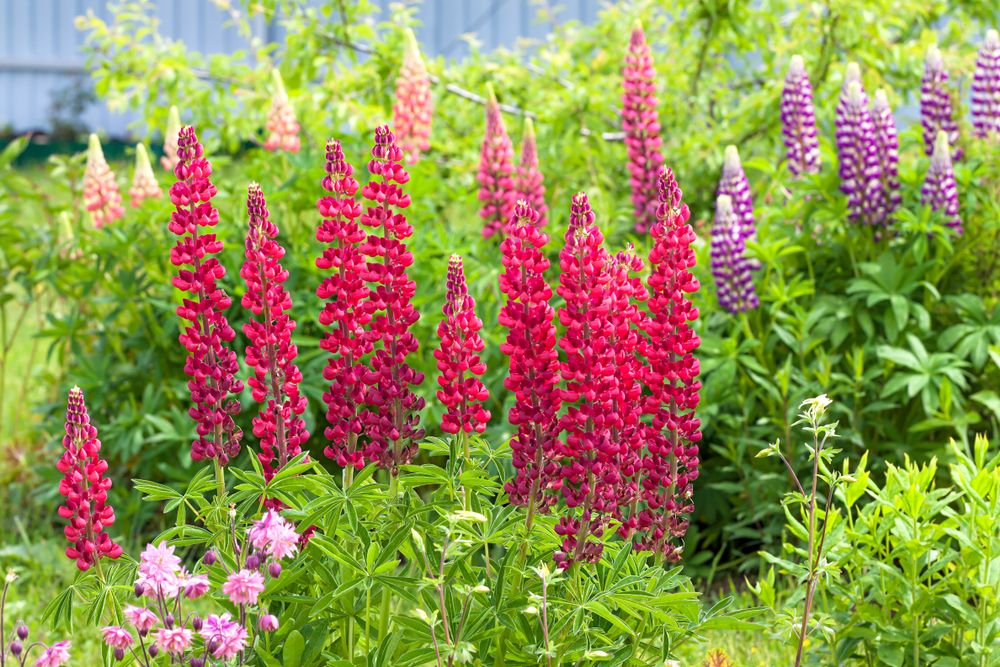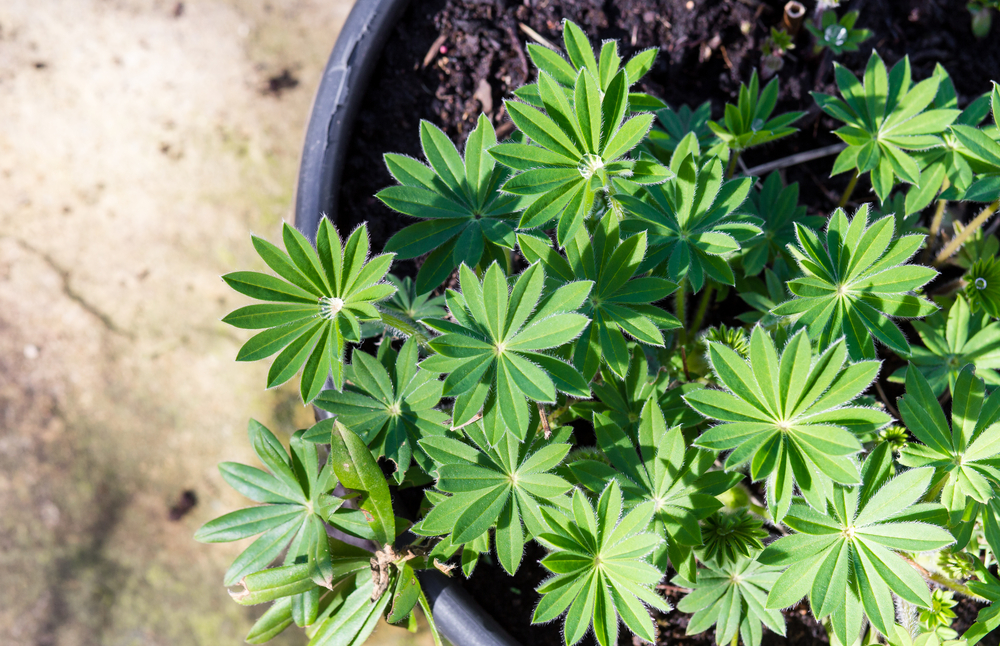
Lupines are absolute fan favorites in the gardening world, mostly thanks to those stunning, colorful flower spikes that really pop. But here’s a pro tip: you don’t need a huge backyard to enjoy them! They look just as gorgeous in pots on your patio or balcony, and if you play your cards right, they’ll come back to greet you year after year.
Go for Dwarf Varieties
One thing you should know about lupines is that they love to dig deep—their roots naturally want to tunnel way down into the earth. Since a pot limits that vertical space, your best bet for container gardening is to stick with smaller varieties. Look for “dwarf” cultivars that stay under 30 inches (about 80 centimeters) tall. Your plants will be much happier and more stable!
Drainage is Key
Choosing the right pot isn’t just about size; it’s about airflow and water management. Lupines are definitely not fans of “wet feet” (standing water). Make sure your container has drainage holes at the bottom. If it doesn’t, grab a drill and add a few yourself! Without proper drainage, water can pool at the bottom, leading to root rot—which is a quick way to lose a beautiful plant.
Finding the Perfect Spot
To really thrive, lupines need plenty of Vitamin D. They are sun-lovers through and through! When picking a spot on your porch or balcony, look for a location that is:
- Bright and sunny
- Sheltered from heavy winds
- Not too crowded (give them some breathing room from your other pots!)
Caring for Your Lupines
When they’re planted in the garden, lupines are pretty low-maintenance and can usually fend for themselves unless there’s a major heatwave. However, container-grown lupines need a little more TLC. Since they have a limited amount of soil, you’ll need to water them regularly and toss in some fertilizer every now and then to keep them nourished.
A few more care tips: if those tall flower spikes start looking a bit floppy, don’t be afraid to give them some support with a stake. Also, if you want to keep the blooms coming, practice “deadheading”—just snip off the flower spikes as soon as they start to fade. This encourages the plant to put its energy into growing brand-new flowers!