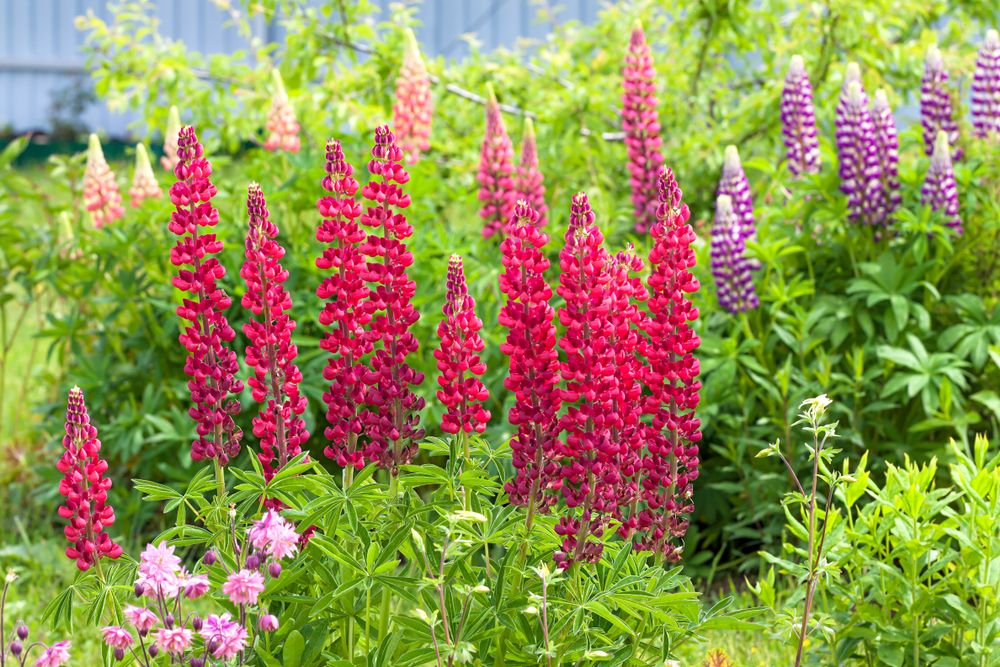
Classic lupines are a total staple for any perennial garden. Once you get them in the ground, you’ll be enjoying those stunning flower spikes for years to come since they’re super reliable returners. That said, if you want them to really thrive, there are a few tips you should know about planting, care, and propagation.
Timing and Location
Like most perennials, the best time to get your lupines in the ground is during the fall. However, if you’ve been growing them in pots, you can actually transplant them into your garden pretty much any time of year. The real secret is picking the right spot. You’ll want a bright, sunny area that’s tucked away from harsh winds. Make sure the soil is nice and loose, too—lupines aren’t big fans of “wet feet” (standing water).
Natural Soil Improvers
The cool thing about lupines is that they’re actually much tougher than many other sensitive plants when it comes to soil moisture. They have incredibly long, strong taproots that can punch through even the toughest, compacted soil layers. This naturally aerates the ground, making it better for everything else in your garden. Plus, they have a symbiotic relationship with special bacteria on their roots that actually release nitrogen back into the earth. This is why so many gardeners love using them for green manure to prep their soil.
Care and Propagation
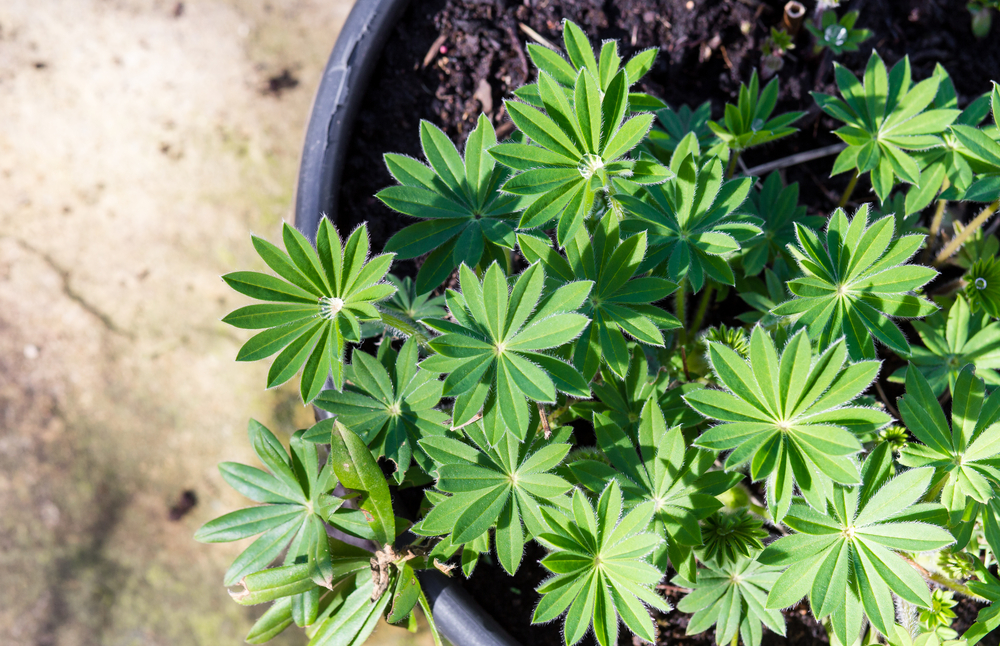
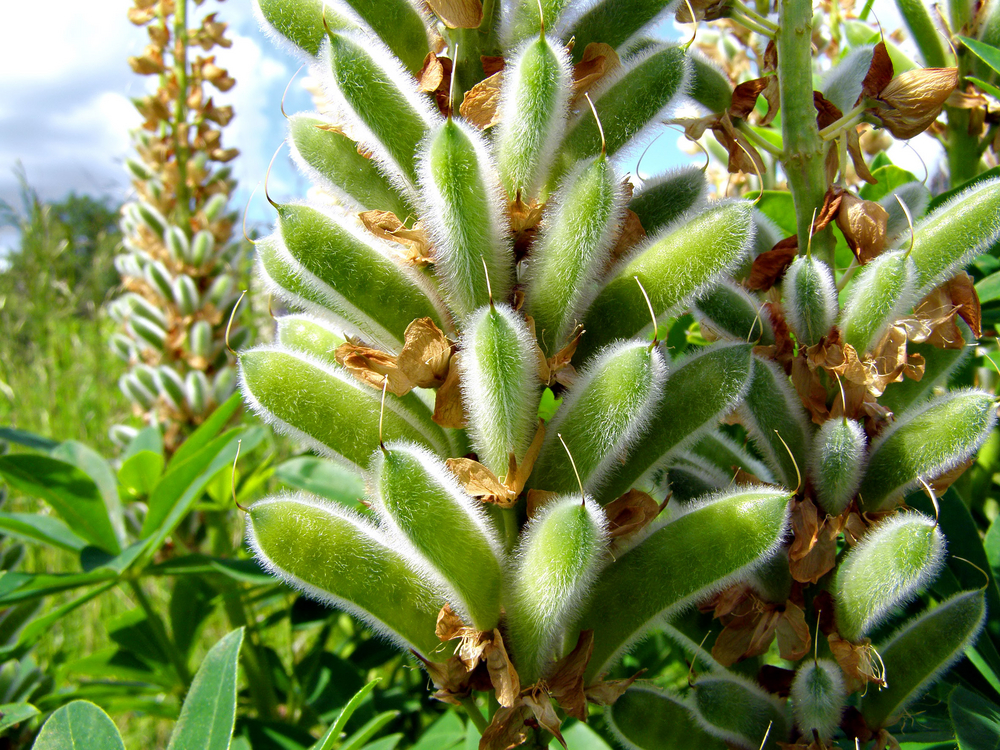
When it comes to maintenance, lupines are about as low-maintenance as it gets. Usually, you don’t even need to worry about watering them! The only exception is right after you first plant them; you’ll want to keep the soil consistently moist for those first few weeks until their root system gets established. If you want to propagate your lupines and get even more blooms, you’ve got options. You can collect the seeds, take cuttings, or—my personal favorite—simply dig up the clump and carefully divide it with a spade.