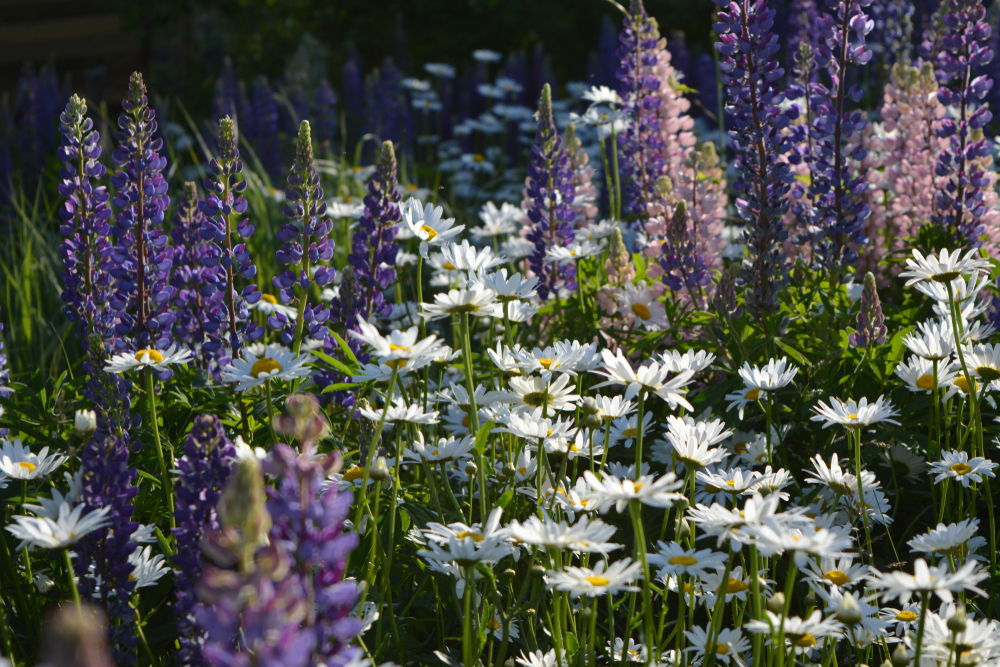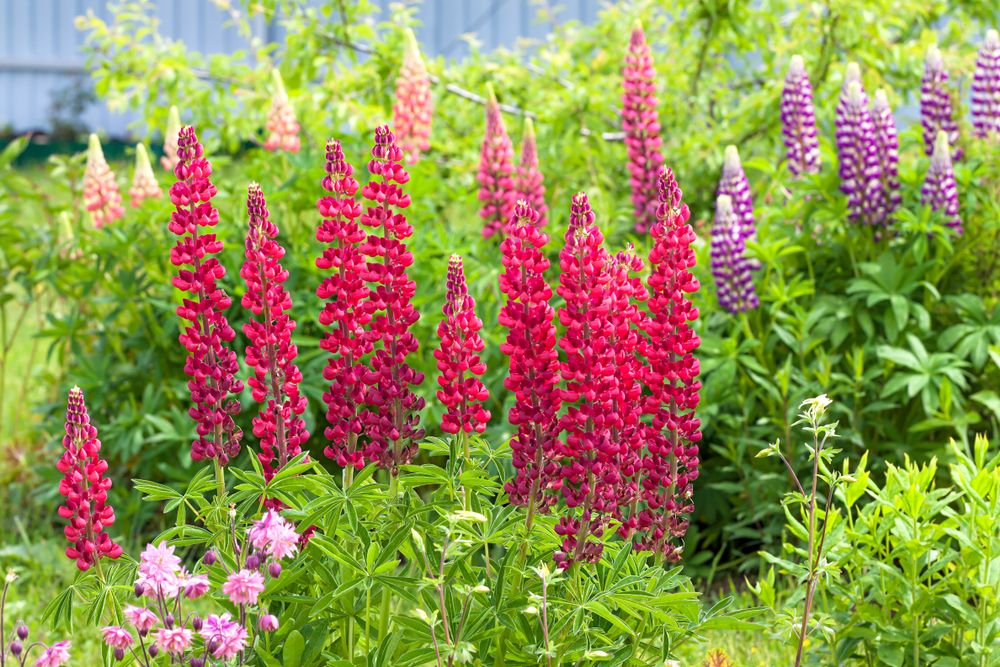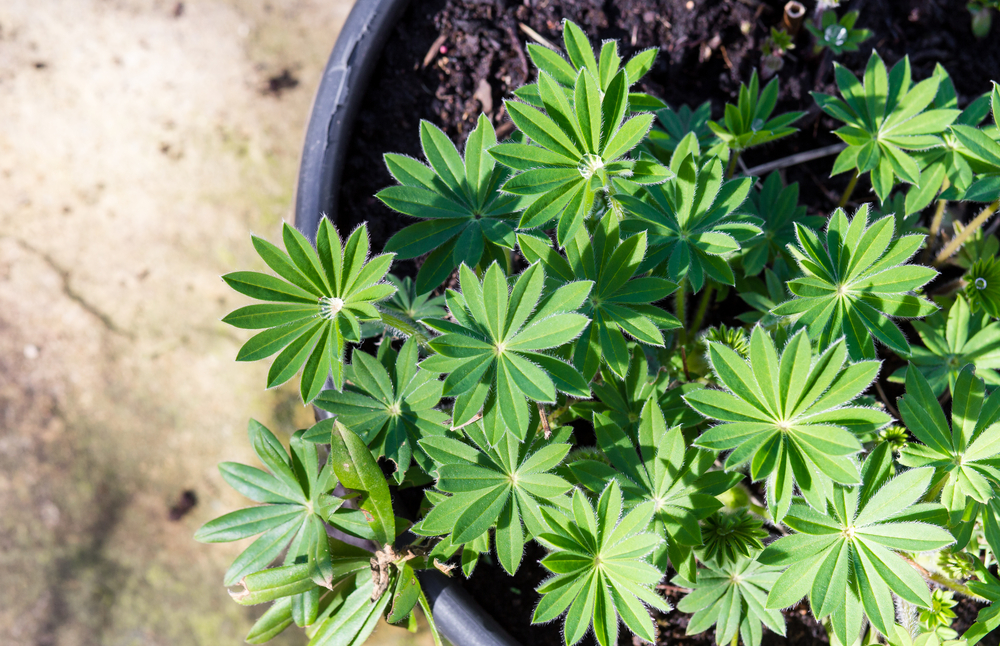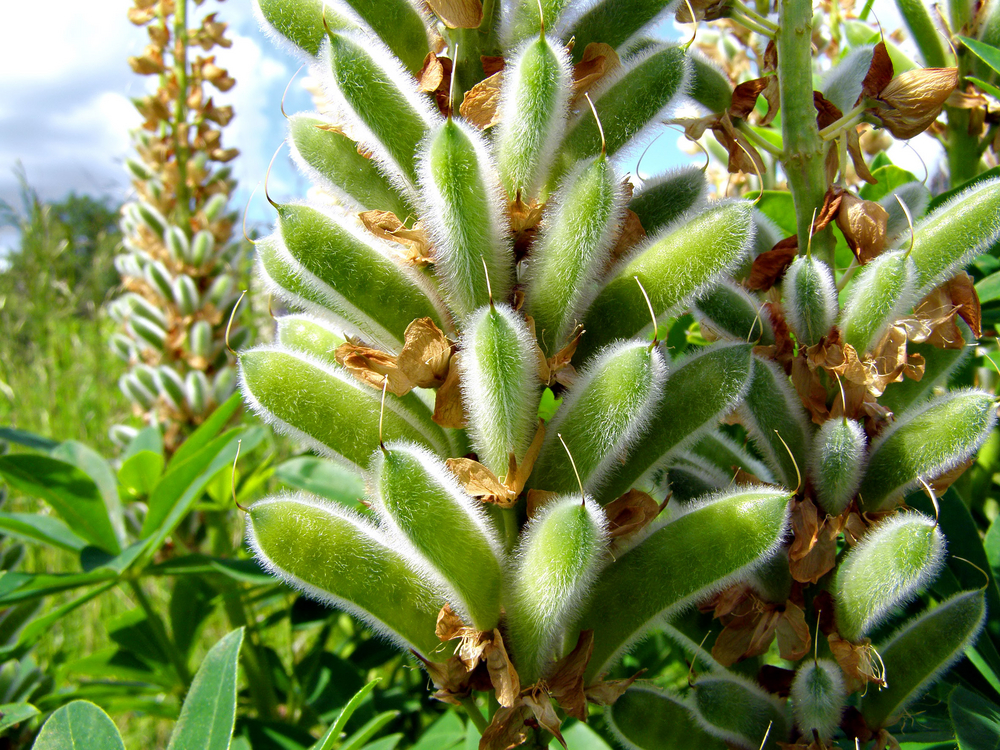
As a hardy perennial, the lupine is a total winter warrior. It’ll handle the cold in your garden without breaking a sweat, coming back year after year to show off those gorgeous blooms between May and August. For the most part, you can just let them do their thing, though you’ll want to take a few extra steps if you’re growing your lupines in pots on the patio.
A True Survival Artist
During the spring and summer, lupines are about as low-maintenance as it gets—they barely even need watering once they’re established. Things stay just as easy when fall rolls around. While you might hear some gardeners recommend cutting them back before winter, it’s not strictly necessary. The plant naturally retreats into its root system once the temperature drops. Even a deep freeze isn’t a threat; these tough plants can handle temperatures as low as -13°F (-25°C). Thanks to their incredibly long taproots, they can pull moisture from deep in the soil even when the surface is frozen solid.
Protecting Potted Lupines
Lupines in containers don’t have the luxury of those deep roots reaching down into the groundwater. Because of that, they need a little help from you to make it through the winter unscathed. It’s rarely the cold itself that kills a potted lupine; the real danger is dehydration. If the soil in the pot freezes solid for too long, the plant can’t drink, causing it to slowly dry out. Here’s how you can keep them happy:
- Place the pot on a piece of Styrofoam to insulate it from the frozen ground.
- Cover the top of the plant with some evergreen branches or mulch.
- Wrap the pot in bubble wrap, garden fleece, or even heavy cardboard to keep the root ball a bit warmer.
- Give them a tiny bit of water during long, dry winter spells (just make sure the soil isn’t already frozen).
Refreshing Old Plants
You can actually use the dormant season to give older lupines a bit of a “youth treatment.” If your plants are starting to look a little tired, dig up the root ball in the fall and split it into sections with a sharp spade before replanting. This method of propagation leaves you with several “younger” plants that will be ready to burst back into full bloom before you know it!