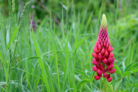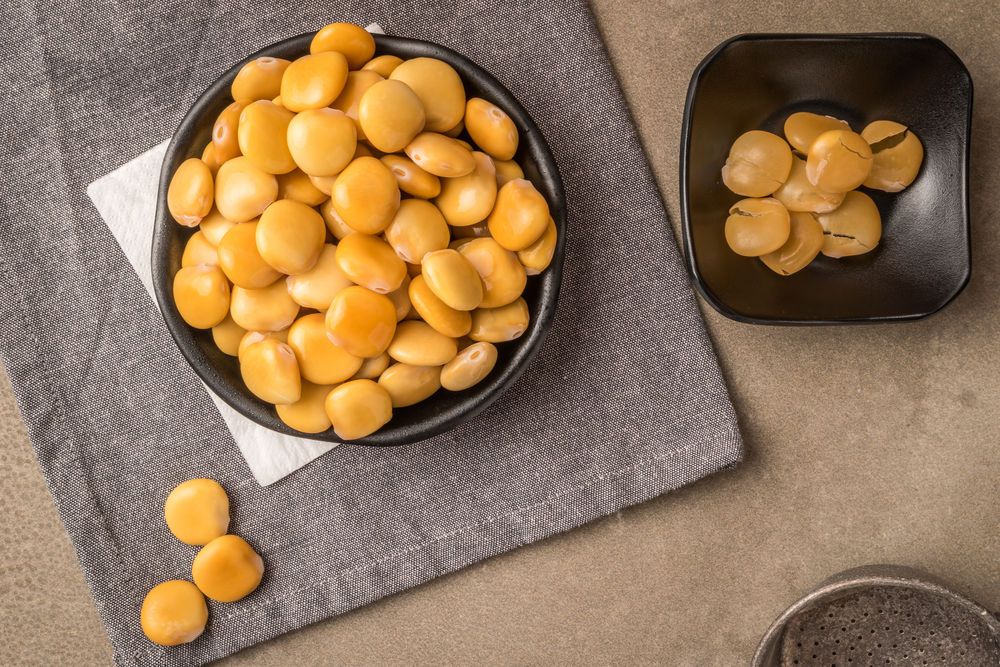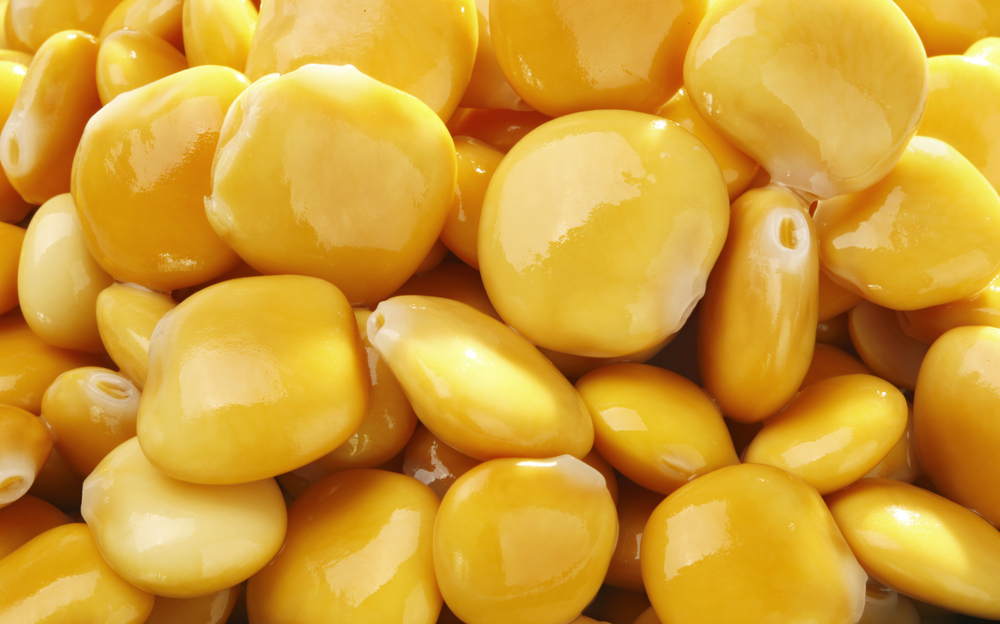
Most of us know lupines as those stunning, spiky perennials that add a pop of color to our flower beds. But did you know there’s a specific variety that’s more at home in the kitchen than in a bouquet? While most lupine seeds are actually toxic, the yellow lupine is a major exception. These seeds aren’t just edible—they’re incredibly versatile!
More Than Just a Pretty Face
Compared to the classic ornamental varieties, the yellow lupine might look a bit modest in your garden. That’s because it belongs to the “sweet lupine” family. These plants have been specially bred to be free of bitter alkaloids (the stuff that makes other lupines toxic). Because they’re safe to eat, they’re grown on a large scale for both human food and high-quality livestock feed.
From Snacks to Superfoods
If you’ve ever traveled along the Mediterranean coast, you might have seen pickled lupine seeds served as a salty, high-protein snack. But here in the States and across Europe, yellow lupine is becoming a superstar in the health food aisle. It’s often used in pre-packaged meals and even vegan ice cream! Many people prefer it over soy because it has a much more neutral flavor and doesn’t carry the same GMO concerns.
Here are a few other cool ways you’ll find yellow lupine being used:
- Lupine flour (great for low-carb baking)
- Lupine coffee (a caffeine-free alternative)
- Lupine tofu (sometimes called “Lopino”)
- High-protein animal feed
A Quick Heads-Up on Allergies
Even though yellow lupines are non-toxic and totally safe to eat, you should still take it slow the first time you try them. This is especially important if you already struggle with food allergies. Lupine protein is similar to peanut protein, so allergic reactions can happen, whether you’re eating the flour or a processed product containing lupine. Better safe than sorry!
Nature’s Own Fertilizer
If you aren’t planning on eating them, yellow lupines are still fantastic “workhorses” for your soil. They are excellent as “green manure” (a natural fertilizer). Their long taproots reach deep into the earth, breaking up compacted soil and improving drainage. Plus, they work with special bacteria in the ground to “fix” nitrogen, naturally enriching your garden for whatever you decide to plant next.