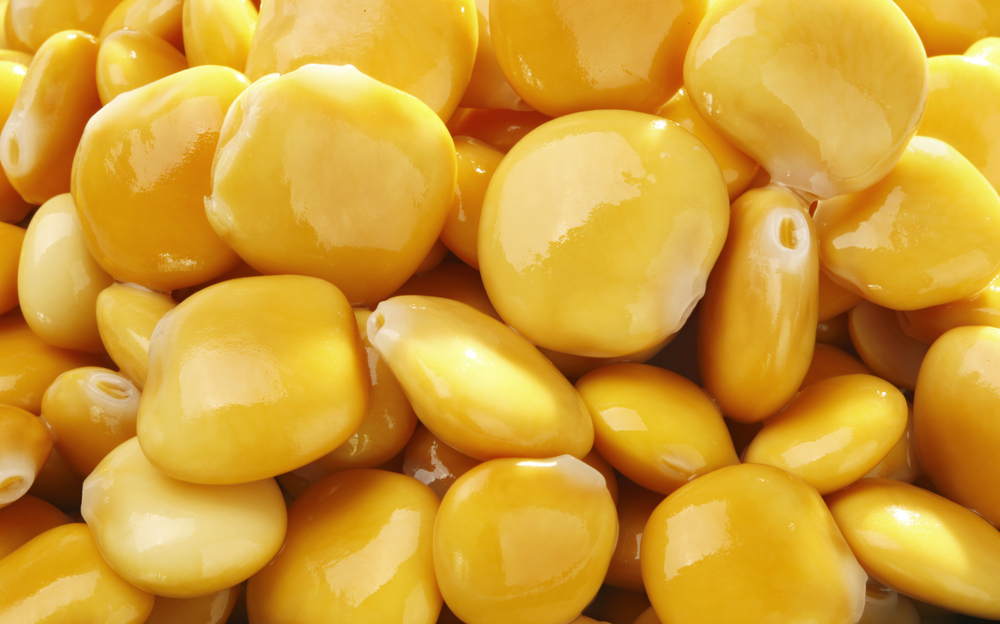
Over the last few decades, there’s probably nothing we’ve scrutinized more than our diets. As the global population keeps climbing, we’re all starting to ask some big questions about the future of food. One of the coolest answers might actually be growing right in our fields: the lupin.
Lupin acreage is on the rise
The cultivation of sweet lupins has absolutely skyrocketed lately, and it really comes down to two main things. First, the demand for plant-based protein is through the roof. Second, soy is starting to lose its luster for a lot of people. This is especially true for vegetarians and eco-conscious shoppers who want to steer clear of GMOs. Because of that, it doesn’t look like the lupin market is going to slow down anytime soon.
Why lupins beat out soy
When you stack them up against soy, lupins have a lot going for them. Unlike soy, lupins:
- Thrive even in poor, nutrient-deficient soil
- Are super low-maintenance
- Are naturally resistant to most plant diseases
- Offer impressive yields
Plus, there’s a culinary bonus: lupin products are pretty much neutral in flavor. Unlike the distinct taste of soy, lupins are like a blank canvas, making them way easier to use in pre-made meals and other food products.
Growing lupins in your own garden
So, should you try sowing some lupins in your own backyard? Well, here’s the deal: sweet lupins don’t usually have those show-stopping, vibrant flowers you see on their toxic perennial cousins. However, planting the “sweet” variety is a smart move if you have kids running around. They’re also total rockstars when it comes to soil health. Thanks to their deep taproots and specialized bacteria, they are amazing at loosening up compacted dirt and pumping nitrogen back into the earth—making them a perfect choice for green manure.