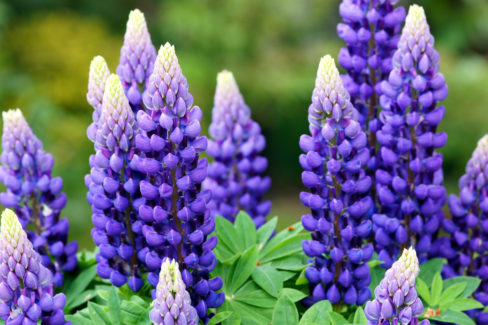
If you’ve got kids or furry friends running around, garden safety is probably at the top of your priority list. We all want a beautiful backyard, but we have to make sure it’s a safe haven for everyone. That brings us to a popular garden favorite: Lupines. While they look stunning, most ornamental varieties are actually toxic.
The Danger in Seeds and Leaves
When it comes to ornamental lupines, the golden rule is to keep the leaves—and especially the seeds—out of reach. Since you can’t always keep a 24/7 eye on curious toddlers, dogs, or cats, you might want to think twice before planting them. Believe it or not, eating just a single seed pod can cause some pretty serious health issues.
How Lupines Affect the Body
The “villains” here are alkaloids, which are toxic substances found throughout the plant but are most concentrated in the seeds. If you aren’t planning to harvest seeds for next year, it’s a smart move to deadhead the faded flowers right away. This prevents seed pods from forming in the first place. If you do save seeds, make sure they’re stored somewhere totally inaccessible to kids and pets.
If someone (or a pet) happens to ingest part of the plant, keep an eye out for these symptoms:
- Vomiting
- Excessive sweating
- Pale skin
- Difficulty breathing
In very severe cases, or if the person is already in poor health, ingesting lupine can even lead to cardiac arrest. It’s definitely not something to take lightly!
The Non-Toxic Exception
It’s worth noting that not all lupines are dangerous. You might have heard of “Sweet Lupines.” These are non-toxic varieties often used in the food industry as a great alternative to soy. Because they aren’t genetically modified and have a much more neutral flavor than soy, large-scale farming of sweet lupines has become quite popular. However, unless you are certain you’re planting a “sweet” variety, it’s best to treat your garden lupines with caution!