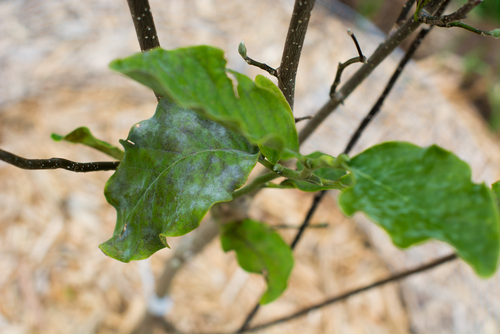
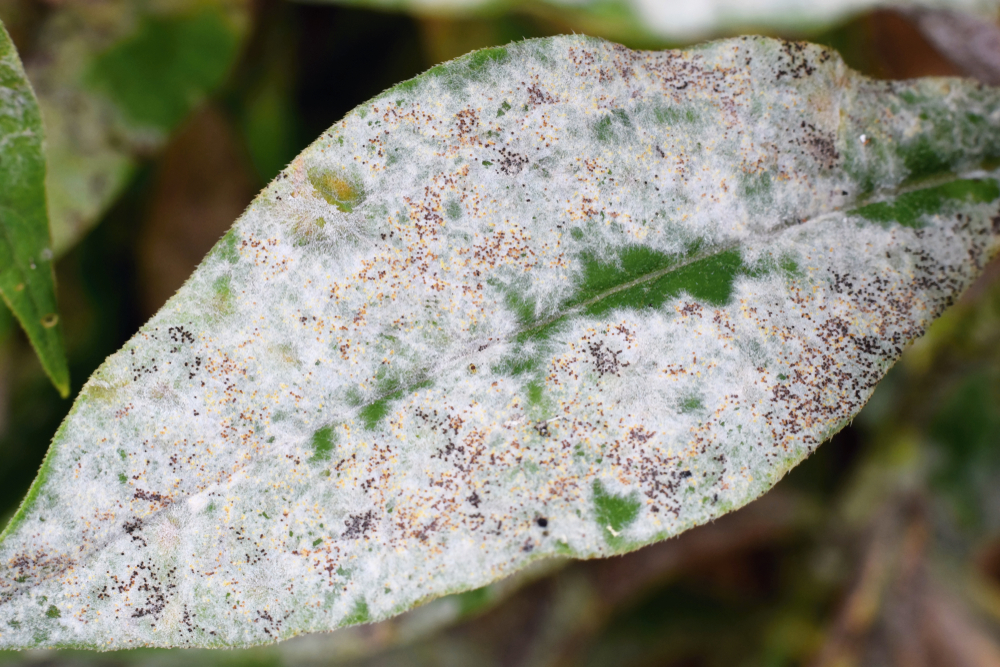
When your magnolia isn’t feeling its best, the leaves are usually the first to send out an SOS. This is especially true if your plant has been hit by mildew. You’ll know it’s there pretty quickly when you see a funky whitish coating on the leaves, followed by them curling up and dropping off.
Preventing Mildew Before It Starts
Trust me, it’s a whole lot easier to prevent mildew than it is to get rid of it. The secret sauce for a healthy magnolia is making sure it gets plenty of sunlight and good air circulation. You also want to keep the soil consistently moist, but be careful—magnolias hate “wet feet,” so make sure the area drains well and isn’t waterlogged.
Powdery Mildew vs. Downy Mildew
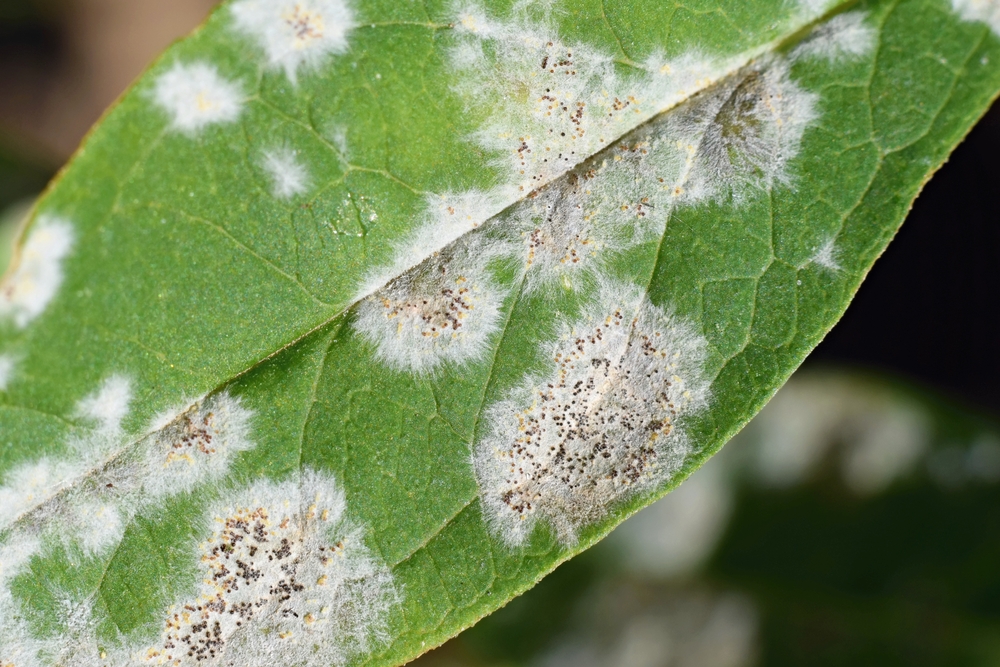
There are actually two types of mildew you need to watch out for: Powdery and Downy. Both of these diseases are fungal infections. Powdery mildew is the more serious of the two; if left unchecked, it can actually kill your magnolia. A big difference between them is the weather: Downy mildew loves damp, rainy days, while Powdery mildew is a “fair-weather fungus” that thrives when it’s warm and dry. Here’s how to tell them apart:
- Powdery Mildew: You’ll see a white, flour-like coating on the tops of the leaves. You can actually wipe it off with your finger, and over time, it might turn a brownish color.
- Downy Mildew: This one starts on the undersides of the leaves, creating a grayish-purple fuzzy growth. On the top side of the leaf, you’ll usually just see some pale or yellowish spots at first.
How to Fight Back
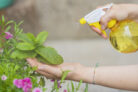
If you spot mildew on your magnolia, the most important thing is to stop it from spreading. Be brave and grab your shears—you’ll need to do some pruning to remove all the infected parts of the plant. If you’re like me and prefer to avoid harsh chemical fungicides, you can help the plant fight back naturally. Try spraying the leaves with a homemade garlic or stinging nettle tea to boost the tree’s natural defenses.