Maples are generally known for being tough, but don’t let that fool you! Not every species handles a deep freeze the same way, and young trees often haven’t developed their full “winter muscles” yet. Knowing how to prep your maple for the cold can literally be the difference between a thriving tree and a dead one come spring.
How Hardy is Your Maple?
Our native North American species—like the Sugar Maple, Silver Maple, Boxelder, and Striped Maple—are absolute champs when it comes to the cold. They can easily handle temperatures dropping down to -20°F or even -30°F without breaking a sweat.
Many European species, such as the Sycamore Maple or Norway Maple, are similarly rugged.
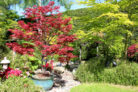
However, things get a little tricky with Asian varieties. While some are quite hardy, the popular Japanese Maple is a bit more sensitive. You really don’t want the thermometer dipping below 15°F for these beauties. Plus, if you’re growing these picturesque Asian maples in pots, their winter hardiness drops significantly.
The “Awkward Teenage Years” of Maple Trees
Even the toughest maples from North America and Europe are a bit “frost-shy” during their first few years. They haven’t reached their full hardiness potential yet. Think of it as building up an immune system—they get stronger every year, but they need a little help from you in the meantime.
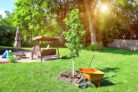
- Generally, it’s best to plant hardy maples in the fall.
- This gives them a head start on growth once spring hits.
- Plan to protect them from frost for at least the first four years.
- Cover the root zone with a thick layer of mulch (leaves, straw, pine branches, or bark mulch work great).
- Wrap young branches in a breathable material like garden fleece or burlap.
Pro Tip:
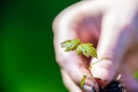
If you are growing your own maple seedlings, keep them indoors for their first winter and wait until the following year to move them out into the garden.
Saving Your Potted Maples from the Deep Freeze
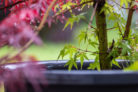
No matter how hardy a specific maple species is, its roots are much more vulnerable when they’re in a container. Unless you live somewhere with very mild winters, a potted tree needs some extra insulation to survive.
- Wrap the pot in frost-resistant material like burlap, coconut fiber mats, or even bubble wrap.
- Move the pot to a sheltered spot starting in the fall.
- Place the pot on a wooden pallet or a piece of Styrofoam to insulate it from the freezing ground.
- Wrap the crown in a breathable fabric.
- If needed, cover the soil surface with leaves or brush.
- Maple bonsais should spend the winter in a frost-free greenhouse or indoors.
Just a heads-up:
A Flowering Maple (Abutilon) stays frost-free indoors all year long. But despite the name, it’s not actually a true maple! It’s a mallow plant with leaves that just happen to look like maple leaves. It cannot handle any frost at all.
Boosting Your Tree’s Winter Defenses
To help your young maple tree in the fall, give it a little potassium. This helps the tree strengthen its cell walls and actually lowers the freezing point of the liquid inside the cells—kind of like a natural antifreeze!