title: Common Diseases Affecting Your Mountain Ash Tree
The Mountain Ash—often called the Rowan tree—is known for being a pretty tough cookie in the garden. But even the heartiest trees have their bad days. If your tree is looking a little under the weather, don’t panic! Here’s a quick guide on how to spot the most common issues and what you can do to get your Mountain Ash back on its feet.
Common diseases to watch out for:
- Fungal infections (Bracket fungi)
- Fire blight
- Gray mold (Botrytis)
How to Spot and Treat Fungal Infections
Mountain Ash trees can sometimes play host to fungi like the Chicken of the Woods or various bracket fungi. You’ll know you have a problem if you see those classic shelf-like mushrooms growing directly out of the trunk. Unfortunately, by the time these large fruiting bodies appear, the fungus has usually taken a deep hold inside the wood, and the tree might be past the point of saving.
Regardless of the tree’s outlook, you should always remove these fungal growths. Removing them gives the tree a fighting chance and, more importantly, stops the fungus from releasing spores that could infect the rest of your garden. Even if you think the tree is a goner, do your other plants a favor and clean it up!
Dealing with Fire Blight
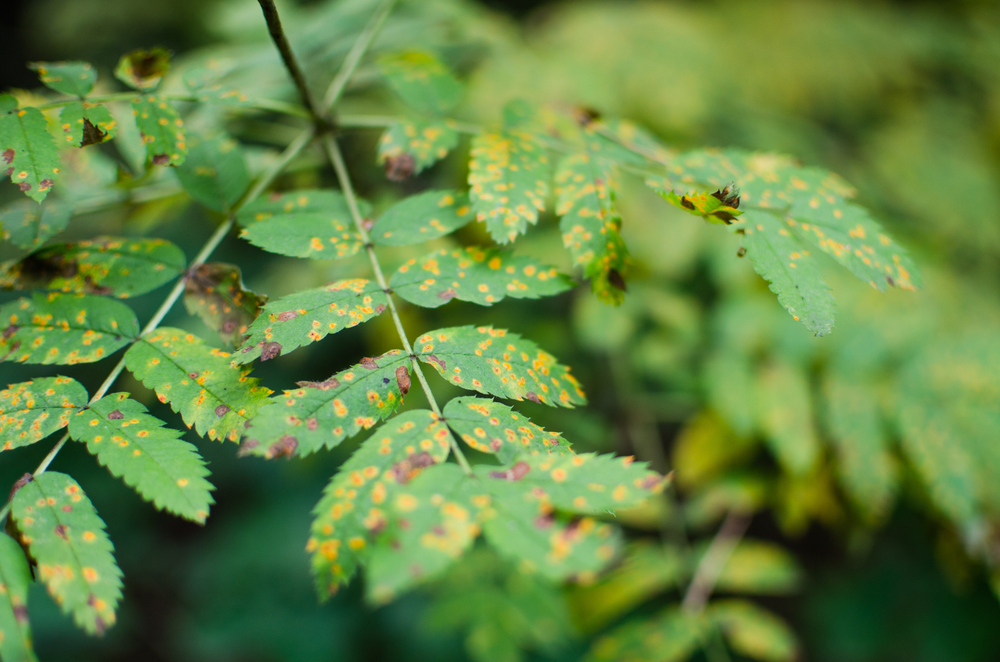
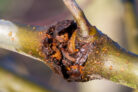
Fire blight is a serious bacterial disease that threatens a huge variety of deciduous trees. In many areas, it’s actually a “notifiable” disease, meaning you might need to report it to your local agricultural extension or authorities. You can spot it by looking at new growth, blossoms, or the berries. They’ll turn a burnt brown or even deep black, and you’ll notice the veins in the leaves darkening too.
A tell-tale sign of fire blight is that the dead leaves and branches stay stuck to the tree through the winter instead of falling off in autumn. There isn’t a “magic spray” to cure this one. The best move is to aggressively prune back the infected branches and toss them in the sealed trash (never the compost!) to stop the spread.
Identifying Gray Mold
The third culprit to look out for is Gray Mold (Botrytis). With this disease, you’ll notice fresh new shoots turning color and falling off prematurely. To keep it from spreading, grab your shears and prune away any affected growth immediately. Usually, this happens because the tree is sitting in a location that’s a bit too soggy, which puts a lot of stress on the Mountain Ash roots. Improving drainage is key here!