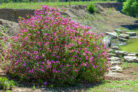
If you want your oleander to stay lush, bushy, and full of flowers, regular pruning is a must. But sometimes, a light trim just won’t cut it. There are moments when your plant needs a “tough love” approach—a radical pruning. Here’s the lowdown on when and how to give your oleander a total reset.
Why Go for a Radical Pruning?
Normally, a quick annual trim is all you need to clear out old wood and encourage fresh growth for the spring. Usually, you’re just taking off a few inches. However, a radical cut-back is necessary in two specific scenarios:
- To rejuvenate older plants that have become “leggy” or bare at the bottom.
- To save a plant suffering from a severe pest infestation or disease.
How to Perform a Radical Cut-Back
Unlike a maintenance trim where you’re just shaping things up, a radical pruning means you’re going all in. You’ll want to cut every single stem down to just a few inches above the soil line. It might feel a little scary, but this is the only way to force the plant to start over from scratch and develop brand-new shoots from the base.
In some cases, if you’re keeping the plant in a container, you might also want to trim the roots slightly. This helps maintain a healthy balance between what’s happening below the soil and the new growth above.
Pruning for Rejuvenation
We’ve all seen them—older oleanders that look like a bunch of bare sticks with a few leaves at the very top. This “balding” happens when a plant hasn’t been pruned regularly over the years. A radical pruning can work wonders here! Just a heads-up: it will take at least two years before you see flowers again, but the payoff is a dense, gorgeous shrub that looks brand new.
Dealing with Pests and Disease
Sometimes, a radical cut is the only way to save a plant from nasty pests or stubborn diseases. If you’ve already tried removing the affected branches and the problem keeps coming back, it’s time to take it all down to the ground.
By removing all the foliage and stems, you’re essentially taking away the “home” and food source for pests and fungi. Just keep in mind that for certain issues—like advanced heart rot—if the infection has already reached the roots, even a radical pruning might be too late to save the day.