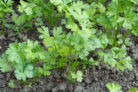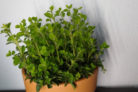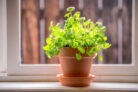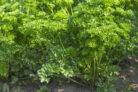
Parsley is a biennial plant, meaning it naturally lives for two years. Because of that, getting it through the winter isn’t just a bonus—it’s part of the plan! Luckily, this hardy little herb is pretty tough and can usually handle the cold on its own. As a gardener, you only really need to step in every now and then to give it a helping hand.
Protection for Harsh Winters
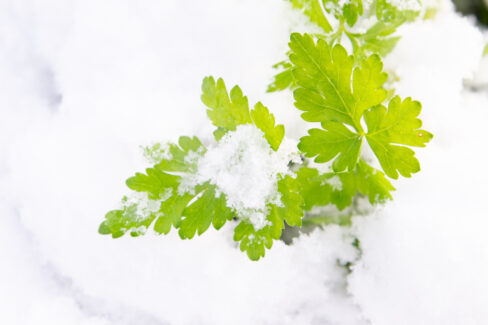
Whether you’re growing flat-leaf or curly, parsley is plenty hardy for most climates. In the fall, the plant naturally retreats into its roots to wait out the cold, ready to sprout fresh green growth come spring. You only really need to worry about covering it if your garden is in a very windy spot or a region with particularly brutal winters. To make sure your perennial herb makes it to next year, avoid using airtight covers. Instead, tuck it in with breathable materials like:
- Dried leaves
- Straw
- Evergreen boughs
Harvesting Before the Frost
You don’t actually *have* to prune parsley before winter, but if your plants are looking lush and green, don’t let those herbs go to waste! Go ahead and cut back the stems, leaving just the very center (the “heart”) of the plant intact. If you can’t use it all at once, wrap the stems in a damp paper towel, pop them in a plastic bag, and they’ll stay fresh in the fridge for about three days. For longer storage, freezing is your best bet—it keeps the flavor fresh for up to six months. You can dry it too, but honestly, it loses a lot of that signature punch.
Why You Shouldn’t Overwinter a Second Time
In its second year, parsley usually starts to bloom around June or July. Once this happens, it’s time to stop eating it. The plant begins producing apiol, a compound that can be harmful to your health. This happens whether you let the flowers bloom or try to pinch them off. Since the whole point of growing it is to eat it, there’s no reason to keep it around for a second winter. You can pull it out once it starts to bolt, or leave it if you want to harvest the seeds in the fall.
Quick Tip:
Want to dive deeper into this garden favorite? Check out our Parsley Fact Sheet for more info.
The Secret to a Non-Stop Harvest
To keep the parsley coming, I recommend sowing new seeds every single year. This ensures you always have young, tasty plants to replace the ones that go to seed. Pick a spot with partial shade and loose, nutrient-rich soil. Just a heads-up: don’t plant it in a spot where parsley (or its cousins like carrots and celery) grew in the last three years. Follow this rotation, and you’ll never run out of fresh herbs!
Wintering Potted Parsley
If you’ve got parsley in containers, you can bring them indoors to a cool spot for the winter. Just give them a little water whenever they need it. The biggest challenge with indoor parsley? Keeping an eye out for aphids, which love to hitch a ride inside.
What About Root Parsley?
Root parsley is usually harvested starting in October and stored in a cool cellar. However, it’s surprisingly frost-hardy and can stay right in the ground. As long as the soil isn’t frozen solid, you can dig up the roots whenever you need them. Just make sure to protect the cold-sensitive leaves with a layer of dry leaves, straw, or brush.