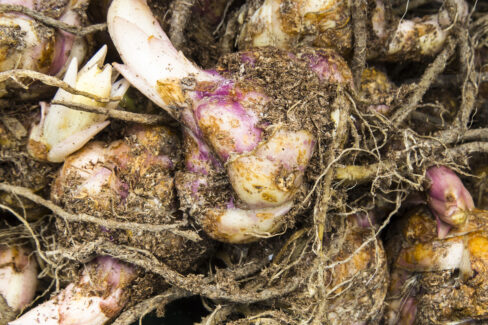
Most of the lilies you’ll find at your local garden center are pretty tough and can handle a typical winter. However, some varieties are total divas when it comes to the cold! For these sensitive types, you’ll need to dig up the bulbs in the fall to keep them safe until spring.
Some Lilies Need a Little Extra Love
The good news is that many lilies—especially those with roots in the Caucasus region—are perfectly happy staying outdoors all winter long. But if you’re growing varieties that originally hail from warmer spots like Turkey, they aren’t used to freezing temperatures. To keep these warm-weather beauties alive, you’ve got to get those bulbs out of the ground before the first big frost hits.
It’s Not Just the Cold—Watch Out for Wet Feet!
Even if you’re growing hardy varieties, you aren’t totally out of the woods. A mild but super rainy winter can be just as dangerous as a deep freeze. Lilies absolutely hate “wet feet,” and if the soil stays soggy, those bulbs can rot right in the ground. Because of this, many gardeners prefer to dig them up anyway, just to be on the safe side.
Timing is Everything: Don’t Rush the Pruning
Before you start digging, you’ll need to clear away the foliage. But here’s the trick: don’t reach for your pruning shears too early! Wait until the stems and leaves have turned yellow or brown. This is because the plant is busy pulling all its energy back down into the bulb for next year. If you cut it while it’s still green, you’re essentially “starving” the bulb.
How to Store Your Bulbs for the Winter
Once the foliage has died back, carefully dig up the bulbs and gently shake off any excess dirt. Let them air dry for about two days. After that, they’re ready for their winter nap! Grab some pots and tuck the bulbs into one of these materials to keep them cozy:
- Sand
- Sawdust
- Potting soil