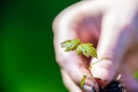
Propagating maple trees from cuttings can be a bit of a gamble. Even for those of us with a serious green thumb, getting these little guys to actually take root isn’t always a walk in the park. But don’t worry—the secret lies in the timing and creating just the right environment. Here’s how you can stack the deck in your favor.
Getting Off to a Strong Start
If you’re looking to grow your own maple trees, timing is everything. Early summer is the sweet spot for taking cuttings. Here’s your game plan:
- Use sharp, sterilized pruning shears to keep things clean.
- Cut several tip cuttings, each about 4 to 6 inches long.
- Make your cut just below a leaf bud.
- Strip the leaves off the bottom half of the cutting.
- Gently nick the bark opposite the bottom leaf node.
- Dip the ends in some rooting hormone to give them a boost.
Potting Your Cuttings
Give each cutting its own space in a small pot filled with seed-starting mix or coconut coir. A 50/50 mix of potting soil and sand also works great. Pro tip: If you add a little mature compost to the bottom of the pot, those nutrients will be waiting for the roots once they develop, allowing the sapling to stay in its starter home a bit longer.
Creating the Perfect Microclimate
Maple propagation thrives on warmth and humidity. If you don’t have a mini greenhouse or a covered propagation tray, you can easily DIY one:
- Place a clear plastic bag over each cutting.
- To keep the plastic from touching the leaves, stick two or three wooden skewers into the soil.
- These act as “tent poles” to hold the bag up.
- Secure the bag around the rim with a rubber band or string.
Make sure to “burp” the bag daily to let in fresh air and prevent mold. This is also the perfect time to check if the soil needs a quick drink.
Warmth and Indirect Light are Key
To encourage those roots to grow, keep your pots indoors in a warm spot with partial shade. Once you see new green growth popping up, you can ditch the plastic cover for good. But don’t head for the garden just yet! These youngsters usually aren’t hardy enough to survive their first winter outside, so keep them indoors until spring. Only move them to a larger pot with nutrient-rich soil once the roots have completely filled their current container.
Quick Tip:
Since maples are shallow-rooted and really don’t like being transplanted once they’re established, make sure you pick the perfect permanent spot in your yard from the get-go!