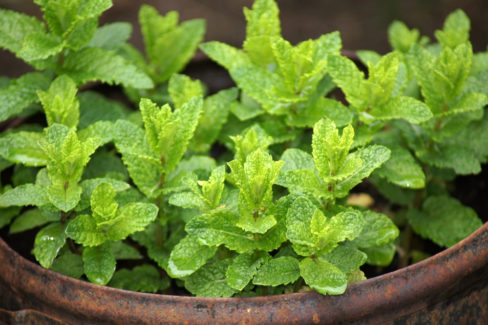
Most mint varieties are pretty tough cookies when it comes to winter, so getting them through the cold months is usually a breeze. That said, if you’ve got some of the more “exotic” varieties, you might want to give them a little extra TLC. Where your mint is planted—whether it’s in the ground or in a container—makes a huge difference in how it handles a deep freeze.
Mint is Naturally Hardy
The mint family is huge, with about 30 different species. Since most of them originate from temperate regions in the Northern Hemisphere, they are naturally winter-hardy. However, not all mints are created equal; some of the fancy varieties aren’t quite as fond of the frost. Go ahead and pick your mint based on the scent or look you love, but just make sure to check how much cold that specific type can actually handle before the snow flies.
Overwintering in Garden Beds
Most mint is so hardy that it can stay right in the garden all winter long. In the fall, the foliage will naturally die back, and the plant’s energy retreats into its underground runners. Usually, all you need to do is trim back the stems after the first frost. If you live in a particularly harsh climate or you’re growing a more sensitive variety, it’s a smart move to toss a layer of brushwood or straw over the spot for some extra insulation.
Overwintering in Pots
Plants in pots are more vulnerable because their roots freeze faster, but they can still stay outside on your balcony or patio. To make sure they bounce back in the spring, you’ll need to “winterize” them:
- Cut back all the stems.
- Cover the soil with some brushwood or mulch.
- Wrap the pot in garden fleece or bubble wrap.
- Move it to a spot protected from wind and heavy rain.
- Keep these protections in place until the threat of frost has passed.
Pro Tip:
There’s another cool trick for potted mint. Before the first hard freeze, you can actually sink the entire pot into the ground in your garden. The earth acts as natural insulation until it’s time for new growth in the spring.
Indoor Winter Quarters
If you have a cool but frost-free spot like a garage or a basement, that’s a great place for potted mint to spend the winter. For delicate types like Strawberry Mint, this is actually the safest bet.
Trying to keep mint in your heated living room, however, can be tricky. It’s usually way too warm and dry indoors. At best, you might get a few spindly leaves that don’t have much flavor. At worst, the plant will struggle and start attracting pests.
Don’t Forget to Water!
Mint in garden beds handles wet winters just fine, as long as the soil doesn’t get waterlogged. But if the ground gets bone-dry during a dry spell, give it a drink on a day when it’s not freezing. Potted mint needs a little water too—just a small amount every once in a while is plenty to keep the roots from drying out completely.