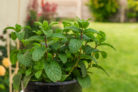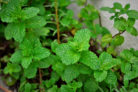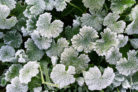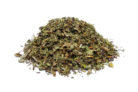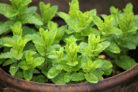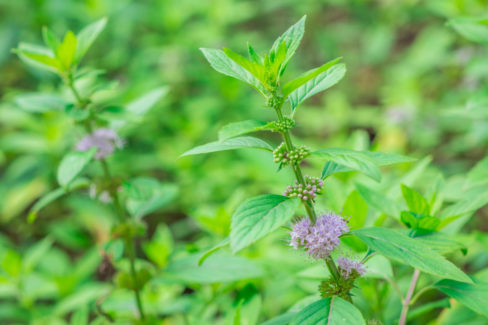
These days, you can find our favorite plants growing just about anywhere the climate allows. But if you’re like me, you’ve probably looked at your herb garden and wondered: “Where did this actually come from?” When it comes to mint, that’s a tough nut to crack because its journey across the globe started thousands of years ago.
The Earliest Records of Mint
Based on what we know, people have been praising the healing powers of mint for over 3,000 years. The ancient Egyptians were fans, and the Romans were right there with them. It’s likely many other ancient cultures used it too, but back then, people only wrote down the “big” historical events. Because of that, we have to make an educated guess about where the original pure species started rather than having 100% proof.
Where It Grows Naturally Today
By now, mint has naturally claimed almost every temperate region in the Northern Hemisphere as its own. You won’t find it growing wild in most of Africa or Australia, though—it’s simply too dry for this moisture-loving plant. Often, you can tell where a specific variety thrives just by its name. Think of Moroccan Mint, Greek Mint, or Corsican Mint. However, some species are so happy in so many different places that it’s impossible to pin down one specific “hometown.”
Cultivars: The Modern Hybrids
Gardeners and breeders have spent a lot of time experimenting with mint, leading to some really fun and unique varieties. In these cases, the breeder’s home country doesn’t matter much since these plants could theoretically be created anywhere. Some of these popular “designer” crosses include:
- Strawberry Mint
- Chocolate Mint
- Pineapple Mint
The Backstory of Peppermint
Even though Peppermint is arguably the most famous variety today, it’s actually a bit of a newcomer. It was first discovered in England in the 17th century. Since several other mint species were being grown commercially nearby at the time, experts believe it was a happy accident—a natural hybrid. Today, there are several different varieties of peppermint, and because of that punchy, intense flavor, it’s grown in gardens all over the world.
Pro Tip:
Peppermint doesn’t actually produce seeds after it flowers. If you want to grow a new plant, don’t worry! Propagation is still super easy—just start a new one from a cutting or runner.