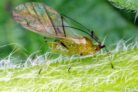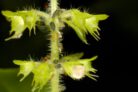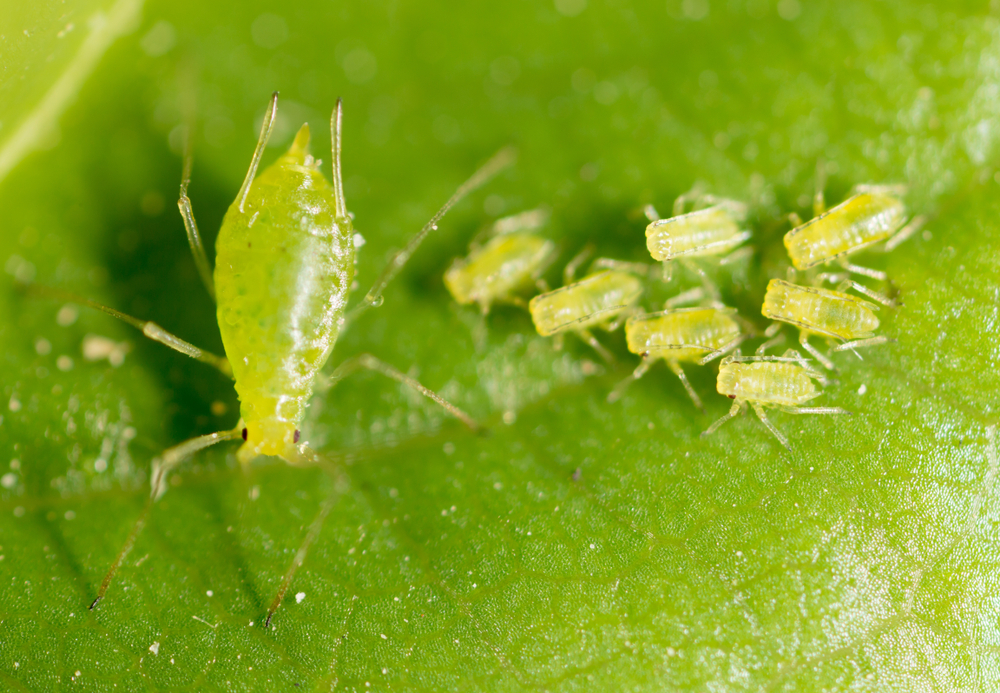
We might be able to ignore a few aphids on our flowers, but when they start taking over our mint plants, that’s where I draw the line! Nobody wants to garnish their mojito or brew a fresh tea with a side of bugs. If these little pests have moved in, they’ve got to go—and naturally is always the way to go.
When Mint Loses Its Toughness
Most mint varieties are known for being pretty hardy; they don’t usually back down from pests easily. Even though mint sap is probably delicious to a hungry aphid, a full-blown infestation is actually the exception, not the rule. If your mint is struggling, it’s usually a sign that something in its environment has been off for a while. Here are a few things that make mint stems soft, weak, and irresistible to bugs:
- A location that’s too hot
- Over-fertilizing
- Too much water
It’s a classic case of “less is more.” Being too generous with water and fertilizer actually does more harm than good when you’re looking for a healthy harvest. Also, trying to grow mint strictly indoors often goes against its nature, which is why indoor plants tend to attract diseases and pests more often.
Catching Them Early Makes Life Easier
If you’re growing mint in your garden or on the balcony, you’re likely out there watering it regularly during the summer anyway. Use that time to give your plants a quick once-over. Most gardeners know exactly what aphids look like—on mint, they usually huddle together in dense clusters along the stems. Don’t wait around once you spot them; these guys multiply incredibly fast!
The Hands-On Approach
If you catch the problem early, you might not even need a spray. Take a look and see if you can handle it manually. If there are only a few, you can simply squish them by hand or blast them off the plant with a sharp stream of water from the hose.
Natural Remedies That Work
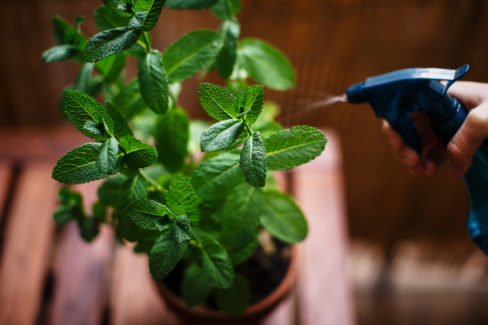
If a whole colony has already moved in, manual removal isn’t really going to cut it. You’ll need a spray to take them down. Since this is a plant you’re planning to eat, chemical pesticides are a big no-no. Instead, try mixing up one of these DIY solutions:
- Dissolve some castile soap (or plain dish soap) in water.
- Alternatively, make a stinging nettle tea: soak fresh nettles in cold water for about 48 hours.
- Spray the mint thoroughly with your mixture.
- Don’t forget to hit the undersides of the leaves!
- Repeat the treatment every three days until the aphids are history.
Pro Tip:
Ladybugs and lacewings are an aphid’s worst nightmare. You can encourage these “good bugs” to move into your garden by setting up insect hotels or leaving some wilder corners for them to hide in.