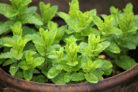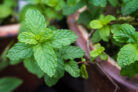
Peppermint is a total staple in any herb garden, whether you’re using it for a refreshing homegrown tea or adding a zingy twist to your favorite recipes. While most mint varieties are pretty tough cookies when it comes to the cold, they can still use a little extra TLC when those deep freezes hit.
How to Help Your Peppermint Survive the Winter
This hardy perennial can usually handle sub-zero temperatures like a pro. However, there’s a big difference between mint planted directly in the ground and mint growing in pots. Here’s how to handle both.
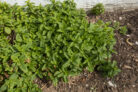
Overwintering Mint in the Garden
In late fall, you’ll want to prune your peppermint back close to the ground. To give it a cozy safety net, cover the root area with some evergreen boughs (like fir or spruce). This is great because it protects the plant while still letting air and moisture circulate. Plus, as the needles drop in the spring, those first rays of sunshine can easily reach the soil to jumpstart new growth.
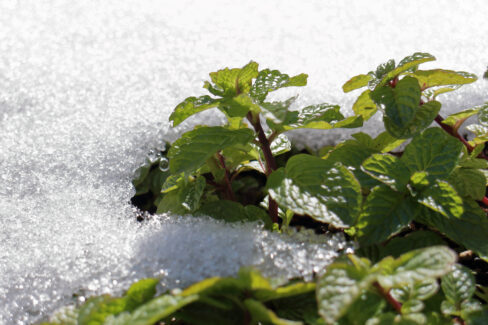
One thing to watch out for is “black frost”—those cold, dry winters without any snow cover. Even though the roots are underground, they can’t soak up water if the soil is frozen solid. If your mint doesn’t sprout back in the spring, dehydration during a dry freeze is usually the culprit. My tip? Give your garden plants a light watering on days when the ground isn’t frozen.
Overwintering Peppermint in Containers
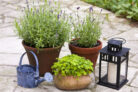
If you’re growing peppermint in balcony boxes or planters, you have to be a bit more careful. Because the roots are above ground, a hard freeze can turn the entire pot into an ice cube. Even the hardiest mint might not survive that! To keep your potted herbs happy, follow these steps:
- Cut the mint back to the soil line in late autumn.
- Move your pots or boxes to a sheltered spot, like right against the house wall or under a roof overhang.
- Place the pot on a piece of Styrofoam or a wooden board to insulate it from the cold ground.
- Wrap the container in bubble wrap, garden fleece, or burlap.
- Cover the top of the soil with evergreen branches, sawdust, or dry leaves.
- Don’t forget to water! If your winter spot is under a roof, the plant won’t get rain, so give it a little drink on frost-free days.
If you have a more sensitive or fancy mint variety, you can also bring it indoors. Once you’ve trimmed it back in the fall, move it to a bright, cool spot—think a well-lit hallway or an unheated sunroom. Just make sure to give it a splash of water every now and then, and it’ll be ready to bounce back in the spring!