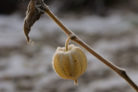
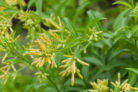
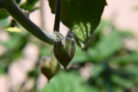
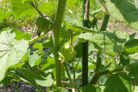
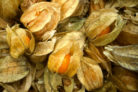
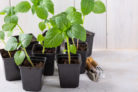
Physalis (also known as Cape Gooseberries) are actually perennials, but they need a bright, frost-free spot to survive the colder months. If you have the space, I highly recommend overwintering them! These plants actually get tougher and produce way more fruit as they get older.
Getting Your Physalis Ready
If your plants are currently in a garden bed, you’ll want to start getting them ready in the fall. Dig them up and move them into a pot. You can just use your regular garden soil for this, especially since you shouldn’t fertilize your Physalis during the winter. They can usually hang out outside until about mid-October.
Just before the first frost is predicted, it’s time to prep them for their winter home. The goal here is to make sure the plant uses as little energy as possible, which means a good pruning is in order.
How to prune for winter:
- Cut back long shoots by about 1/3.
- Remove any remaining flowers and leaves from the shorter shoots.
- Thin out any dense foliage.
By the time you’re done, the plant should look compact and “airy.” This makes it much easier to keep an eye out for any pests or diseases while it’s tucked away for the season.
The Ideal Winter Spot
To make it through to spring, your Physalis needs the right environment. The most important rule? It must be frost-free. If you notice the plant trying to grow new flowers or fruit while indoors, pinch them off right away so the plant doesn’t waste its energy.
What your winter quarters should look like:
- Frost-free
- A steady temperature between 50 – 60°F (10 – 15°C)
- Moderate humidity
- Plenty of light
Be careful with high humidity, as it can lead to disease or pest outbreaks. Whiteflies are particularly fond of these plants in the winter, so make sure to check on them regularly.
Waking Them Up in Late Spring
Around the end of March, you can start coaxing your plants out of their winter nap. Start watering a bit more frequently and give them their first dose of fertilizer. A liquid fertilizer is perfect for this because the plant can absorb it quickly. Once daytime temperatures hit around 68°F (20°C), you can start putting them outside during the day.
Just a heads-up: don’t put them in direct, blazing sun right away! After months indoors, their leaves are sensitive and will sunburn easily. Keep the pots in the shade for about a week to let them acclimate. Once mid-May hits (and the danger of frost has passed), you can transplant them back into the garden or leave the pots outside overnight.