If you aren’t planning on overwintering your plants, you can skip the pruning altogether. However, for those of you keeping your perennials going year after year, a little shaping and thinning out is essential to keep your bushes healthy and productive.
The Right Tools for the Job
When it’s time to prune, reach for a pair of bypass pruners. Avoid anvil-style pruners at all costs—they tend to crush the delicate stems rather than slicing through them, which can lead to dieback.
One major pitfall gardeners run into is using dirty tools. Dirty blades are a highway for plant diseases, which can seriously damage or even kill your Physalis. Before you make the first cut, give your shears a good scrub with hot water and soap, or better yet, wipe the blades down with a disinfectant.
Year-Round Shaping and Airflow
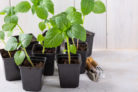
If you’re growing your plants in pots, regular pruning is a must. You can actually train your Physalis into a tree shape, which keeps it from getting too wild and saves a ton of floor space when you move it indoors for the winter. To do this, just pick one strong main stem and trim away any side shoots growing from the “trunk.”
You want the crown to be compact but airy. Long, sprawling branches are prone to snapping, so it’s best to keep the top growth contained. A dense, tangled mess of branches is basically an invitation for pests, so keep things thinned out to let the air flow. Plus, while fewer branches might mean fewer berries, the fruit you *do* get will usually be much larger!
The Fall Pruning Routine
A heavy prune is absolutely necessary in late autumn before you move your plants into their winter home. You should cut the plant back by at least a third. If your Physalis went through a major growth spurt over the summer, don’t be afraid to take the crown down by half.
If your winter storage area tends to be a bit humid, here’s a pro tip: strip the leaves off as well. This helps the plant conserve energy and makes it way easier to spot any hitchhiking pests. Just snip the leaves off close to the branch, being careful not to nick the stems themselves.