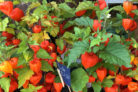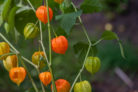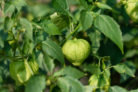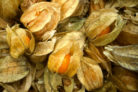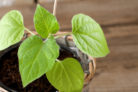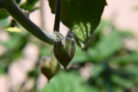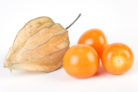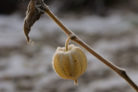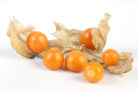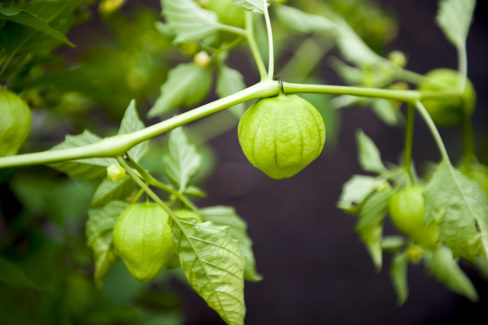
A single Physalis plant (also known as a Cape Gooseberry or Ground Cherry) can produce up to 300 berries! While that sounds like a dream, having that many fruits usually means they’ll stay tiny and struggle to ripen. By “suckering” or pruning your plants, you’re helping the remaining berries grow much larger and tastier.
Keep Things Airy
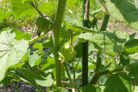
Physalis plants rely on insects for pollination, and those helpful bugs are much more likely to visit flowers they can actually reach. You don’t want your plant becoming a dense, tangled mess. Focus on maintaining one strong main stem and pinch out the side shoots that pop up in the leaf axils (the “V” where the leaf meets the stem).
It’s also a great idea to clear out the leaves near the bottom of the plant. Since Physalis mostly blooms at the top where the sun hits, thinning out the bottom helps with airflow.
Trimming Back the Branches
While Physalis can live for several years, their branches are surprisingly brittle and prone to snapping when they’re young. To keep them safe, don’t just pinch off the small suckers—make sure to actually prune back any long, leggy branches as well.
Whether you’re pinching or pruning, always use a sharp pair of garden shears. Pro tip: Make sure they’re clean! Ideally, disinfect the blades before you start. This prevents spreading diseases between plants and ensures a nice, clean cut that heals quickly.
Pruning During the Winter
If you’re overwintering your plant indoors, keep an eye on those side shoots and continue removing them throughout the dark months. Wait until February to let the plant start branching out again. This is the perfect time to reshape your plant. If a branch didn’t make it through the winter, you can easily train a new young shoot to take its place.
In the spring, you can give your Physalis a total makeover by choosing which shoots to keep. For the best results, aim for a maximum of three strong main branches, each with about three or four side shoots. To make the structure easier to see while you work, feel free to strip off the leaves first. Don’t worry—it won’t hurt the plant! In fact, it actually encourages the growth of vigorous new shoots.