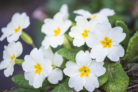
Most of us bring primroses home in a pot, usually when they’re in full, glorious bloom. They brighten up our space for weeks, but eventually, even the most hardworking primrose finishes its show and has to make room for the next seasonal plant. When that happens, don’t head for the trash can! It’s actually the perfect time to move them out to your garden.
Why bother planting them outside?
When that stream of colorful blooms finally dries up, a lot of people just toss the plant. Sure, it might not look like much once flowering season is over, but that little plant still has a ton of potential.
- Primroses are perennials and are surprisingly hardy.
- If you’re running out of windowsill space, moving them outside is a great solution.
- They take up very little room in your garden beds.
- They’ll keep growing happily outdoors.
- They’ll bloom all over again next year.
- If you pick a cool, shady spot, some varieties might even give you a second flush of flowers in late summer.
Pro Tip:
By transplanting your “old” primroses, you won’t have to spend a dime on new ones next spring. If you have a healthy, well-established plant, you can even propagate it by dividing the root ball. Or, just let the flowers fade naturally and let the plant re-seed itself!
When is the best time to transplant?
Once your indoor primrose has finished blooming—usually around March or April—it’s technically ready for the garden. However, if you have a spot to keep it temporarily, it’s safer to wait until the danger of frost has passed, especially for varieties that are a bit more sensitive to the cold.
Finding the perfect spot
Choosing the right location is key for these little guys. Harsh midday sun and heat will dry them out fast and cause the flowers to wilt prematurely. You could try to compensate by watering more often, but that gets old pretty fast. Your best bet is a partially shaded spot with moist, humus-rich soil. Most species also prefer soil that is slightly acidic.
How to plant your primrose
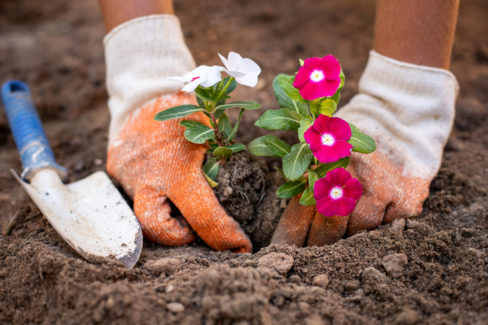
- Dig a hole about 8 inches deep and 8 inches wide.
- Loosen the soil at the bottom and mix in a little compost.
- Take the primrose out of its pot. Don’t be afraid to trim back any excessively long or tangled roots.
- Place the root ball (keep the old soil attached!) into the hole and fill it back in with your soil mix.
- Press the soil down firmly and give the plant a good soak.
- If you have more than one, you can plant them as close as 4 inches apart.