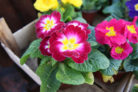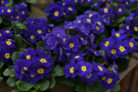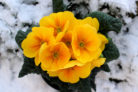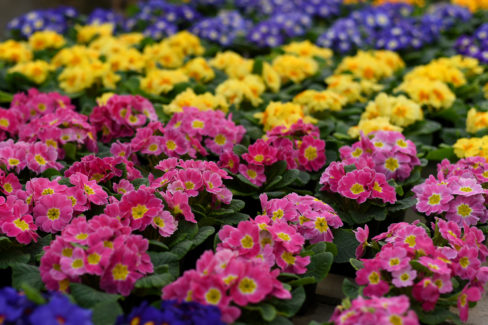
Come springtime, you can find these little blooming beauties just about everywhere—even at the grocery store on the corner—in every color of the rainbow and for a total bargain. Because they’re so cheap, you might wonder if propagating them yourself is even worth the effort. But if you’re like me and love a good garden project, it’s definitely doable and pretty rewarding!
Here’s How to Do It
There are a few different ways to get more primroses in your garden:
- By dividing an established plant
- By letting them self-seed naturally
- By starting seeds yourself on purpose
Dividing Your Plants
If you have an older primrose that’s at least 6 inches across, it’s a great candidate for division. You’ll want to make sure it has a nice, sturdy rootstock, since that’s the part you’ll actually be splitting. Generally, you can divide them every 3 to 4 years. The best time to do this is right after they finish blooming, or you can wait until September or October.
First, dig up the plant and take a look at the roots. If the rootstock doesn’t look beefy enough to split, just pop it back in the ground. If it looks good, shake off the excess dirt and use a clean, sharp knife to cut it into sections. Get those new pieces back into the ground in a partially shaded spot as soon as possible.
Pro Tip:
Even if you don’t necessarily need *more* plants, dividing is still a great idea. If your primroses have stopped blooming as much as they used to, a quick division can actually jumpstart new flower production.
Letting Nature Take the Lead (Self-Seeding)
Many perennial primrose varieties are happy to spread on their own through self-seeding. They aren’t bothered by the winter chill at all—in fact, the seeds actually *need* a cold snap to trigger germination. Just leave a few spent flowers on the plant instead of deadheading them. The wind and rain will do the rest of the work for you! This is a great way to get a thick “carpet” of flowers over time. If they pop up somewhere you don’t want them, just dig up the babies and move them to a better spot.
One fun thing about seed-grown primroses? They’re full of surprises! It’s very common for the new plants to have different flower colors than the “parents.”
Starting Seeds Yourself
If you want to be a bit more intentional, you can sow the seeds yourself. Just make sure to use fresh seeds (less than a year old) for the best results. Here’s the game plan:
- Best time: February through April
- Scatter the seeds on top of some seed-starting mix
- Don’t bury them deep! Leave them on top or cover with just a tiny bit (5mm) of soil
- Use a spray bottle to keep the soil moist
- Cover the tray with a piece of glass or plastic wrap to keep the humidity up
- Keep them cool—temperatures between 50°F and 60°F (10-15°C) are perfect
- A chilly balcony or unheated porch works great
- You should see sprouts within 2 to 3 weeks!