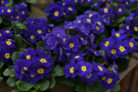
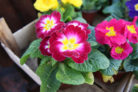
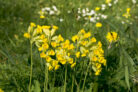
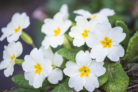
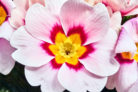
Let’s be honest: we buy primroses for one reason and one reason only—those gorgeous blooms. The rest of the plant is pretty low-key, but when those flowers pop, they really steal the show. Every variety brings something unique to the table, mostly through a massive palette of colors. And the best part? We can actually play a role in making those blooms even more spectacular with just a little bit of TLC.
Flower Shapes and Colors
Primrose flowers are simple and relatively small, usually about an inch in diameter. But don’t let the size fool you—they are impossible to miss! This is thanks to two things: the sheer number of blooms and their vibrant colors. A healthy, happy primrose will open several flowers at once, bunching them together on stems that lift them right above the leaves for everyone to see. But the real showstopper is the color. Head to your local garden center and you’ll find them in almost every shade imaginable, including:
- White
- Yellow
- Orange
- Rose
- Red
- Pink
- Violet
- Deep Blue
Beyond the solid colors, you’ll also find bicolor varieties where the center of the flower creates a stunning, high-contrast “eye.”
Color Changes at Home
Have you ever noticed your perennial primroses changing color over time? It’s a common sight—those bold, saturated colors they had at the store might start to look a little faded once you get them home. Professional growers know that light and temperature are the secret ingredients to color intensity. To keep those hues looking sharp, plant or place your primroses in a bright spot with temperatures between 40°F and 50°F (5-10°C). That cool, bright environment is the key to deep, rich colors.
Pro Tip:
If you fall in love with a specific primrose and want to propagate it, your best bet is division. New plants grown this way will be exact clones, meaning they’ll have the same beautiful flower characteristics as the parent plant.
Early and Long Bloom Times
Primroses are often the very first splash of color we see when the new year kicks off. Most varieties bloom sometime between January and April, and the show usually lasts for several weeks. They are the perfect remedy for a drab, late-winter landscape. Just a heads-up: while they look sweet, these flowers are not edible. In fact, most varieties are quite toxic, so keep them away from curious pets or kiddos!
How to Boost More Blooms
To keep the flower power going, give your primroses the location they crave and water them regularly so the soil stays consistently moist. During the blooming season, they’ll appreciate a phosphorus-rich fertilizer every two weeks. Also, make sure to snip off any faded flowers right away. This prevents the plant from wasting energy on seed production and encourages it to keep putting that energy into new blossoms instead.