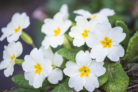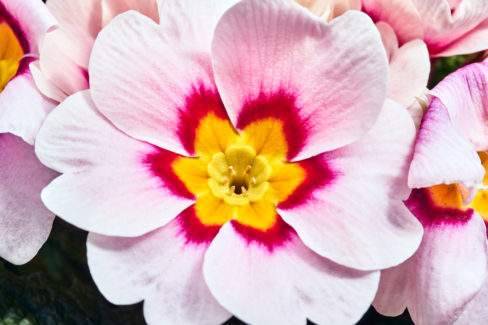
Let’s be honest: the whole reason we love primroses is for those vibrant, punchy colors. Whether you’re looking at common garden varieties or something more exotic, these plants are all about the blooms. To really get your money’s worth, you want your primrose to stay covered in flowers for weeks—or even months. But what should you do if your plant suddenly stops performing?
Understanding the Primrose Bloom Cycle
Most primrose species get their start early in the year, often while the calendar still says winter. You’ll usually see several flowers per plant as early as January. Each individual blossom stays fresh for quite a while, and as soon as one fades, new buds should be right there to take its place. This cycle can keep going all the way into April. After that, the blooming season wraps up, and the plant takes a well-deserved nap.
Quick Tip:
Don’t toss your primroses once they’re done blooming! If you have a yard, plant them outside. Many hardy varieties will come back every spring. If you find a cool, shady spot for them, some might even surprise you with a second flush of flowers in the summer.
Why Is My Primrose Fading Early?
If your primrose isn’t happy with the temperature, it’ll drop its flowers way too soon. You might also notice that new buds are slow to form or just don’t show up at all. This usually isn’t an issue for outdoor plants; even though it gets chilly in early spring, most primroses are tough and don’t mind the cold. They only really start to struggle when temperatures dip below 23°F (-5°C).
The real “primrose killer” is actually heat. For these plants, anything over 60°F (15°C) is starting to get too warm. Since most of our homes are kept much toastier than that, “premature fading” is a super common problem for indoor primroses.
The Perfect Spot for Your Primrose
Light is key, so place your primrose near a window. However, you want to avoid harsh, direct sunlight—so a south-facing window is usually a no-go. Also, watch out for radiators! That hot, rising air will dry out the plant and kill the blooms unless you’re watering constantly. Your best bet is to find the coolest room in the house. A bedroom often works great, though the downside is you won’t get to see those pretty flowers as often during the day.
Quick Tip:
If your indoor primroses are in a warm spot, make sure to water them more frequently and mist the leaves every 2-3 days. For outdoor plants, keep an eye on the forecast—if a late frost hits, cover them up with a few layers of newspaper for protection.
Pro-Tips for Maximum Blooms
First things first: check your plant’s location. Once you’ve got the environment right, follow these simple steps to keep the flower power going:
- Feed your plants every 14 days during the blooming season.
- Water regularly to keep the soil consistently moist (but not soggy!).
- Deadhead (remove) faded flowers immediately to encourage new growth.