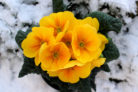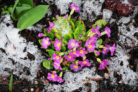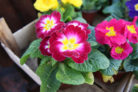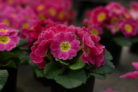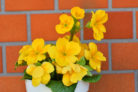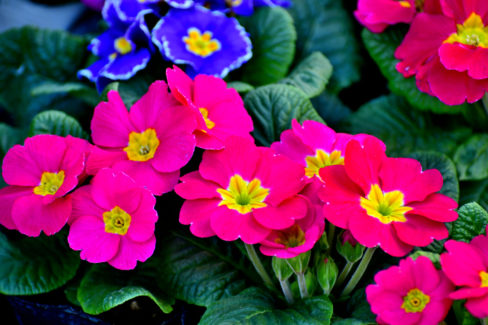
Most primroses are pretty chill when it comes to frost, but this is a huge plant family, and some members definitely prefer the heat. The tricky part? You usually can’t tell how a primrose feels about winter just by looking at it—at least not until it’s too late! That’s why knowing where your plants come from is a total game-changer.
Northern Primroses are Winter Warriors
Perennial primrose species native to the Northern Hemisphere are built tough. In fact, they’re so hardy they can handle temperatures down to -4°F (-20°C) right in your garden beds without any extra help. We rarely see it get that cold in most areas, but if a “polar vortex” is in the forecast, it’s a good idea to tuck them in with some brushwood or straw. A little cover also helps during heavy snow, as the eventual melt can lead to root rot if things get too soggy.
Quick Tip:
If you’re expecting a record-breaking freeze, you can always temporarily move your primroses into pots and bring them into a sheltered spot until the worst passes.
Protecting Those Early Blooms
Even for the hardiest species, things get dicey once they start blooming. The flowers themselves are way more sensitive to frost than the rest of the plant. Since primroses are famous for being early risers, a late-season freeze is a real threat. If the thermometer dips even a few degrees below freezing, cover your blooming plants with some evergreen branches or even a piece of newspaper to save the display.
Tropical Varieties Need a Warm Welcome
Some species hail from the tropical regions of Southern China, and let’s just say they aren’t fans of a snowy winter. The German Primrose (Primula obconica), for example, can’t handle any frost at all. It’s best to keep these varieties in pots so you can easily move them indoors. They’ll be happiest in a bright, cool spot (around 50-60°F) with plenty of fresh air. Avoid keeping them in a toasty, heated living room—the dry air will cause them to crisp up and wither away pretty quickly.
Winterizing Your Potted Primroses
When a plant is in a pot, its roots are much more exposed to the elements. Frost can easily cut through the sides of a container and damage those sensitive roots. Even hardy types lose some of their “toughness” when they aren’t in the ground. If you don’t have a cool indoor spot to keep them, you’ll need to pull out all the stops to keep them winter-ready:
- Find a spot shielded from the wind, like against a house wall or a thick hedge.
- Elevate the pot on a piece of Styrofoam or a wooden plank.
- Wrap the pot in several layers of burlap, fleece, or bubble wrap.
- Cover the plant with brushwood during actual frost.
- Clean up the plant by removing any dead leaves before winter sets in.
Winter Aftercare
You can put the fertilizer away for the season, but don’t forget to keep watering! Just make sure to scale back the amount significantly—they need a drink, not a bath, during the colder months.