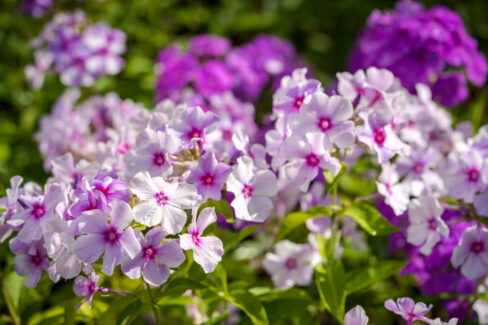
It’s the height of summer, but your phlox is giving you the cold shoulder? If your plants are refusing to bloom or only putting out a few measly flowers, it’s a clear sign that something is off with their care or their environment.
Why isn’t my phlox blooming?
There are a handful of reasons why your “flame flower” might be acting shy. To get to the bottom of the mystery, run through this quick checklist:
- Is the phlox planted too deep in the soil?
- Are you watering enough?
- What’s the fertilizer situation (too little or maybe too much)?
- Are pests crashing the party?
- Is the location actually a good fit?
How to get your phlox back in bloom
First things first: check your watering habits. If your phlox has been a bit parched lately, it’s an easy fix—just start watering more deeply and regularly. Adding a nice layer of mulch is a pro move to help keep that moisture in the ground where it belongs. If the water is fine, take a look at your nutrients. Annual phlox varieties usually need a boost of fertilizer about every two weeks. Just be careful not to overdo it, as too much nitrogen can lead to lots of leaves but zero flowers.
Phlox can also be a bit picky about depth; they really hate being planted too deep. If they’re buried too far down, they’ll get “lazy” and stop blooming altogether. If you suspect this is the case, you might need to dig them up and replant them a bit higher in the hole. While you’ve got them out of the ground, take a second to inspect the roots for any sneaky pests.
If you’ve tried all the tricks and still aren’t seeing any color, the location might just be the wrong fit, or your phlox might not be getting along with its neighbors. As a last resort, try moving it to a new sunny spot and putting a different variety in its old home.