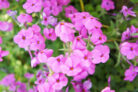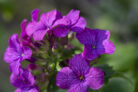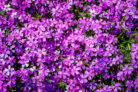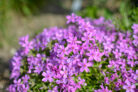
Phlox comes in so many beautiful varieties, but they aren’t all created equal when it comes to the cold. Some are tough as nails, while others are a bit more delicate. To make sure your “flame flowers” make it through to spring, you’ll need to tailor your winter care to the specific type you’re growing.
Which Phlox Varieties Are Actually Winter-Hardy?
First things first: annual phlox (Phlox drummondii) won’t survive the winter, period. No amount of burlap or mulch will change that. If you’re growing annuals, you’ll need to replant them fresh every year.
On the other hand, perennial phlox is generally quite winter-hardy. However, if you live in a particularly frigid climate or are facing a long-lasting deep freeze, it’s a good idea to give them a little extra help. This is especially true for young plants that were recently added to your garden; they aren’t quite as resilient as established clumps. To tuck them in for the winter, try adding a protective layer of:
- Mulch,
- Evergreen boughs,
- Fallen leaves, or
- Garden fleece/frost cloth.
Phlox Seeds Love the Cold
Here’s a fun fact: while the plants might need protection, phlox seeds actually need the cold to sprout! They are what we call “cold germinators.” If you’ve just sown seeds or if your plants dropped some late last season, they’ll naturally start to sprout at the end of winter without you having to lift a finger.
Winter Care Tips for Your Phlox
Believe it or not, freezing temperatures aren’t usually the biggest threat to phlox in the winter—dehydration is. Many gardeners forget that plants still need water during the dormant season. Don’t stop watering entirely; just scale back significantly compared to the summer. A pro tip: only water on frost-free days to prevent the water from freezing around the roots and causing damage.
You should also hold off on fertilizing during the winter. Those extra nutrients send a signal to the plant that it’s time to grow, but your phlox needs its “beauty sleep” to ensure a healthy growth spurt and a spectacular blooming season later on.
Finally, keep an eye on more sensitive varieties, like early-season phlox. These can actually get “sunburned” from harsh winter sun. Providing a little shade or cover prevents leaf scorch, which keeps the plant from becoming weakened and susceptible to pests or diseases.