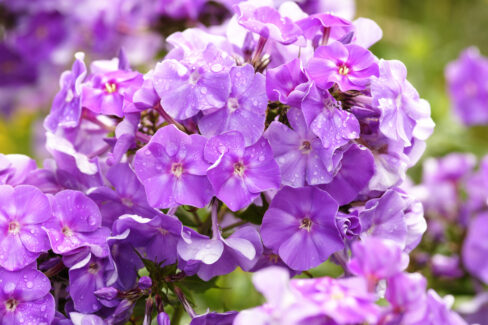
Every once in a while, your garden needs a little shake-up, and that includes your Phlox. If you’ve been wondering when to move your “Flame Flower” or how to do it without stressing the plant out, you’re in the right place. Let’s dive into the why, when, and how of transplanting Phlox.
Why should you move your Phlox?
Usually, we think about moving plants because we’re redesigning a flower bed. But with Phlox, there are often more practical reasons to find them a new home. In fact, sometimes a move is necessary just to keep the plant healthy and blooming. Here are a few signs it’s time for a change of scenery:
- The current location isn’t quite right (too much or too little sun).
- It was originally planted too deep in the soil.
- You’re dealing with a persistent disease or fungus.
- Pests have moved in and won’t leave.
When is the best time to transplant?
As long as the ground isn’t frozen solid, Phlox actually prefers being moved on cooler days. You’ll want to avoid transplanting right before or during its blooming season—moving a plant while it’s trying to flower is a lot of stress! The only exception is if your Phlox is suffering from a major pest infestation or disease; in that case, an emergency move might be your only choice.
Tips for a successful move
First things first: make sure the new spot fits your specific variety. Some Phlox types crave full sun, while others will actually get scorched if they don’t have a little afternoon shade. Your Phlox will also love you if you prep the new hole with loosened soil and some well-aged compost.
Before you drop it in the ground, gently loosen the root ball. This helps the roots spread out and get established in their new home faster. Just be careful not to bury it too deep—Phlox are notorious for refusing to bloom if they’re sitting too low in the dirt.
If you’re moving a plant because of a disease, be extra careful. Germs can live in the soil, so if your Phlox keeps getting sick, move it to a fresh spot and avoid planting any new Phlox in the old location for a while. Always prune off any diseased stems or leaves before moving the plant so you don’t “invite” the sickness to the new spot.
Finally, transplanting is the perfect time to divide your Phlox. If you have a healthy, mature plant that’s getting a bit too big, you can split it into two (or more!) and double your garden’s beauty for free.