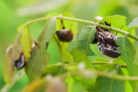
Even though Ginkgo trees are famously tough and winter-hardy, those freezing temperatures can still do a bit of damage if you aren’t careful. Usually, frost damage isn’t a dealbreaker, but your younger trees definitely need some extra TLC during the winter months.
Finding the Perfect Spot
Ginkgos are pretty chill when it comes to where they live, but they really shine as a central “statement tree” in your yard. Ideally, you want to find a spot that gets full sun or, at the very least, partial shade. Here’s a pro tip: the more sun your tree gets during the day, the better it can handle the cold at night!
You can also plant your Ginkgo along a south-facing wall of your house to soak up that reflected heat. Just a heads-up: if you’re planting close to the house, make sure you pick a dwarf variety. Some of these guys can reach 130 feet tall! If you already have a standard variety, you’ll need to keep up with regular pruning to keep it at a manageable size.
Pruning After a Cold Snap
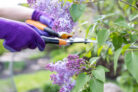
Once spring rolls around, you’ll be able to see exactly how much the frost affected your tree. Usually, the damage is limited to just the tips of the branches. Take a walk around your garden and check for any tips that didn’t survive the winter—you’ll want to prune those back generously.
Spring is actually the perfect time to combine that frost cleanup with your regular shaping. Ginkgos aren’t exactly speed-demons when it comes to growing, so pruning is key if you want a nice, full, compact canopy. A good rule of thumb is to trim back one-year-old side shoots by about a third every spring.
Protecting the Youngsters
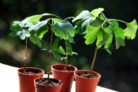
Even though we call the Ginkgo winter-hardy, the “toddlers” of the tree world are much more sensitive. You should plan on giving your trees extra winter protection until they’re about five years old. And if you’re growing a Ginkgo in a pot, you *always* need to protect it—the root ball is much more exposed to the cold in a container than it is in the ground.
To keep your young trees cozy, wrap the trunk in burlap or even old blankets, securing it with some twine. Protecting the canopy can be a bit trickier, but if you have a young tree or a smaller dwarf variety, you can usually drape some winter fleece over the top for the first few years to keep the worst of the ice away.