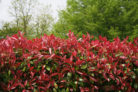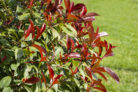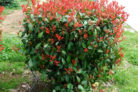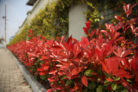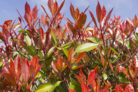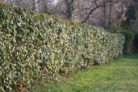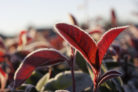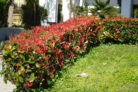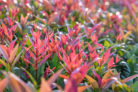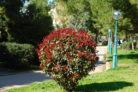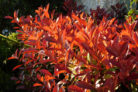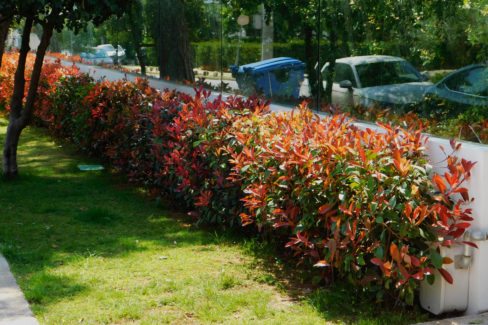
Photinia (also known as Red Tip Photinia) has become a real favorite in our gardens lately, but let’s be honest: she can be a bit of a diva if she’s not in the right spot. To really see those vibrant colors pop, she needs a little more than just good vibes. Here’s the lowdown on how to find the perfect home for your Photinia.
Where is the best spot for a Photinia?
Photinias love a warm, bright environment. While they don’t necessarily need to be baking in intense, direct midday sun, they do best in bright, indirect light or partial shade. If you tuck them away in full shade, you’ll notice they won’t produce as many flowers—in fact, your Photinia might fail to bloom entirely. Ideally, they prefer regions with mild winters where they won’t be hit by prolonged, deep freezes.
What kind of soil does it need?
When it comes to pH levels, Photinia isn’t too picky; it’ll be just as happy in slightly alkaline soil as it is in slightly acidic ground. The real deal-breaker, however, is drainage. These plants need nutrient-rich soil that drains well because they absolutely hate “wet feet.” If the water sits too long, the roots will start to rot. Aim for soil that stays fresh to slightly moist, though they can handle a little bit of dry weather once they’re established.
How can I improve the planting site?
If your chosen spot is exposed to harsh, cold winds, you’ll want to provide some backup. A wall, a sturdy fence, or a larger hedge can act as a great windbreak. This protection is especially crucial during the winter months, as Photinias are only moderately hardy depending on your specific zone.
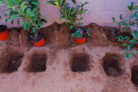
If your soil is a bit too heavy or compacted, try mixing in some fine gravel or sand to loosen it up. This helps prevent standing water and keeps those nasty diseases like root rot at bay. To give your plant a head start, toss some mature compost, horn meal, or well-rotted manure into the planting hole. This provides a slow-release energy boost so you won’t have to worry about fertilizing again for quite a while.
The Ideal Location at a Glance:
- Bright, ideally partial shade or indirect light
- Protected from harsh winds
- Mild winter conditions (avoiding extreme frost pockets)
- Moderately dry to slightly moist soil
- Well-draining, nutrient-dense soil
- Flexible regarding pH levels
Pro Tip: If you nail the location right from the start, your Photinia will be surprisingly low-maintenance!