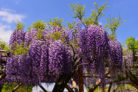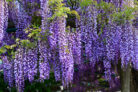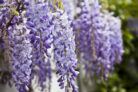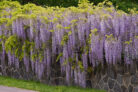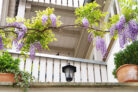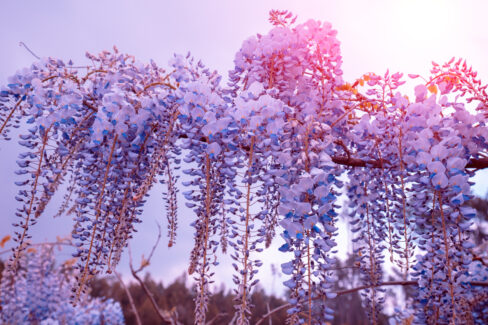
Wisteria is a total showstopper in the garden, but it can be a bit of a drama queen when it’s young—especially when it comes to frost. While established vines are usually tough as nails, those young plants (under two years old) can easily suffer from dieback during a harsh winter. If your wisteria is looking a little worse for wear after a cold snap, don’t panic! Here’s how to get it back on track.
How to Save Your Wisteria After a Hard Winter
If spring rolls around and you notice some of your wisteria’s branches looking brittle or dead, it’s time to jump into action. With a little TLC, your plant can bounce back better than ever. Your first move is to prune back any of those frost-damaged shoots.
Take a close look at the buds, too. If they look shriveled or damaged and haven’t fallen off on their own, go ahead and remove them. When you’re pruning, make sure you’re using sharp tools—a good pair of bypass pruners or garden shears will do the trick. Pro tip: Clean your tools before you start to make sure you aren’t introducing any bacteria to the fresh cuts. If you have to make a particularly large cut on a main stem, you might want to use some pruning sealer. Don’t be afraid to be bold; wisteria actually responds really well to a heavy prune, and it can even kickstart a new growth spurt!
The Right Tools for the Job
- Grab your garden shears or loppers
- Make sure your tools are clean and sharp
- Give the wisteria a vigorous prune
Post-Pruning Care: Helping Your Vine Thrive
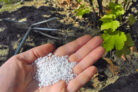
Once you’ve finished pruning, the way you care for your wisteria over the next few weeks is key. You might be tempted to blast it with fertilizer to help it grow, but hold your horses! Avoid high-nitrogen fertilizers at all costs. While nitrogen makes for lots of pretty green leaves, it can actually stop your wisteria from blooming—and let’s be honest, we’re all here for those gorgeous purple flowers.
Make sure your plant is in the perfect spot where it can soak up plenty of sunshine. Sunlight isn’t just fuel for growth; it’s the secret ingredient for those stunning flower clusters. If you feel the need to feed your plant, stick to some well-aged compost. It’s much gentler than manure or synthetic fertilizers and won’t overdo it on the nitrogen.