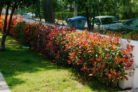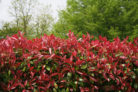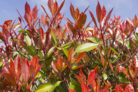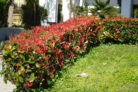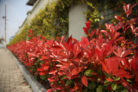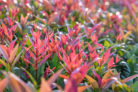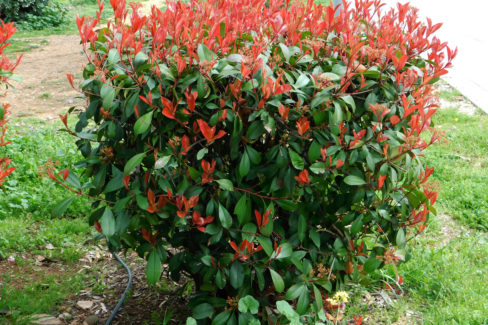
If you want your plants to truly thrive, picking the right spot and keeping up with maintenance is key. Every plant has its own personality and needs, but when it comes to the Red Tip Photinia (Glanzmispel), you’re in luck—it’s actually pretty easygoing! While it isn’t too demanding, a little boost of fertilizer can go a long way in keeping it lush and vibrant.
How hungry is a Photinia, anyway?
I’d say the Photinia has a “moderate” appetite. If you’ve planted yours in rich, organic soil, it doesn’t strictly *need* extra feeding to survive. However, if you’re trying to grow a thick, private hedge in a hurry, a little fertilizer is the secret sauce to speed up that growth.
What’s the best fertilizer to use?
The great thing about Photinias is that they aren’t picky eaters. They handle lime just fine and actually respond really well to nitrogen-rich fertilizers. Whether you prefer slow-release granules, a general-purpose plant food, or organic options like compost or well-rotted manure is totally up to you—go with whatever is easiest to find at your local garden center. Just remember: a well-fed plant is a strong plant, making it much better at fending off diseases and pests.
How often should I fertilize?
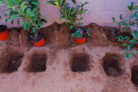
If you’re using a slow-release fertilizer, once a year in the spring is plenty. You don’t want to overdo it—too much of a good thing can actually stress the plant out. If you’re aiming for that dense, bushy look, don’t forget that regular pruning is just as important as feeding, as it encourages the plant to branch out. Also, a pro tip: whenever you are transplanting or putting a new one in the ground, mix in a healthy dose of compost to give it a head start.
What about Photinias in pots?
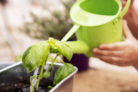
Growing a Photinia in a container is a bit different. Unlike plants in the ground, potted plants eventually use up all the nutrients in their soil. You’ll need to fertilize these more regularly. If you’re like me and occasionally forget your gardening chores, a slow-release fertilizer is a lifesaver here!
Quick Summary:
- Nutrient needs: Moderate
- Best options: Compost, manure, universal garden fertilizer, or slow-release granules
- Good to know: They handle lime and nitrogen-heavy feeds well
- Pro move: A potassium-rich fertilizer in late summer can help boost winter hardiness and overall resilience.
Quick Tip: If you have access to it, aged compost or well-rotted manure is not only the most budget-friendly option, but it’s also the most eco-friendly way to keep your garden happy.