When we talk about the pine family (Pinaceae), most people just think of, well, pine trees! But this plant family is actually huge and includes some of the most stunning evergreens you can find. Here’s a quick guide to some of the most popular members of the family to help you pick the right one for your yard.
[[pflanzen]]
++Golden Larch (Pseudolarix amabilis)
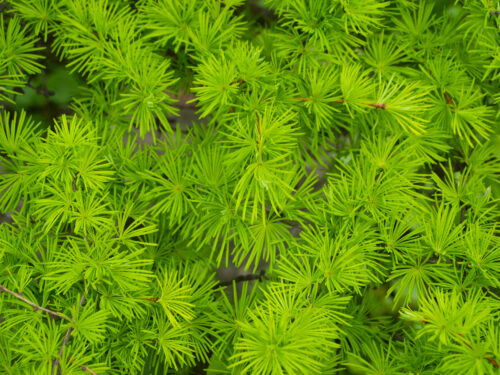
The Golden Larch is a bit of a rebel—unlike most conifers, it actually drops its needles in the winter. But don’t worry, it puts on a spectacular show in the spring when fresh, vibrant green needles sprout back. Originally from Eastern China, this tree is “monoecious,” meaning it grows both male and female cones on the same plant. So, if you’re looking for natural reproduction, you only need one tree to get the job done!
++Hemlock (Tsuga)
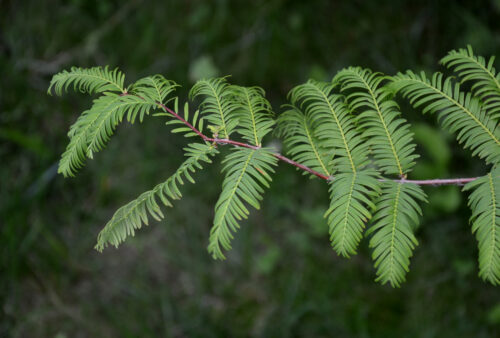
Hemlocks are stately, evergreen giants that can live for a seriously long time—some have been clocked at over 800 years old! You’ll find massive Hemlock forests across North America and East Asia. Because the wood is naturally resistant to moisture, it’s a top choice for making things like archery bows. If you’re looking for a privacy screen, you can even plant Hemlocks as a thick, lush hedge.
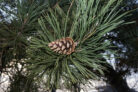
++Austrian Pine (Pinus nigra)
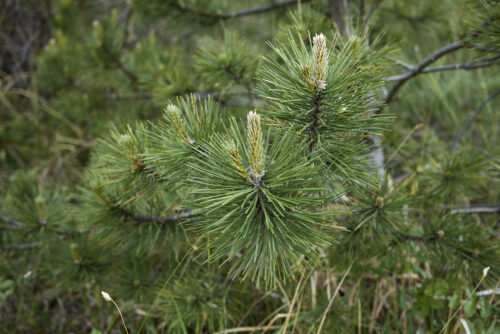
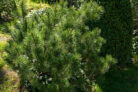
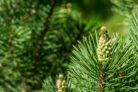
Also known as the Black Pine, this species is a Mediterranean native. That means it’s tough as nails—it handles heat, poor soil, and drought like a champ. It’s also surprisingly resistant to air pollution, which is why you’ll see it in so many city parks and urban landscapes. It’s a low-maintenance choice for a backyard, just make sure you give this big guy plenty of room to spread its branches.
++Cedar (Cedrus)
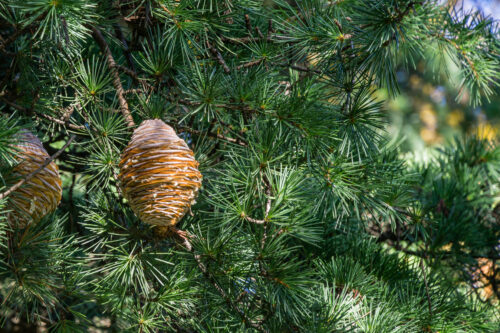
True Cedars are famous for two things: their wide, majestic canopies and their egg-shaped cones. But the real “wow” factor is the smell. The wood is packed with essential oils that give off that classic, relaxing scent used in everything from aromatherapy to high-end perfumes. If you’re planting one, pick a sunny spot. These trees crave sunlight and space to reach their full potential.
++Scots Pine (Pinus sylvestris)
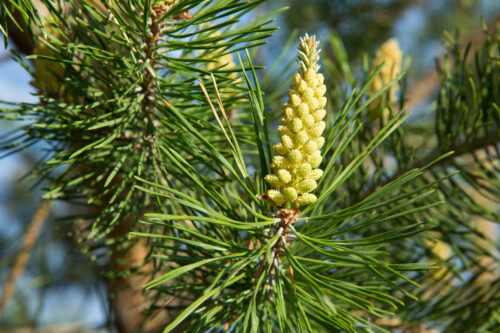
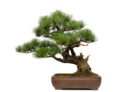
The Scots Pine is a fast grower that can reach heights of nearly 160 feet under the right conditions. It’s a staple of European forestry because the wood is incredibly versatile and high-quality. If you love the look of this tree but don’t have a massive estate to plant one, you’re in luck—the Scots Pine is a favorite for growing as a bonsai.
++Spruce (Picea)
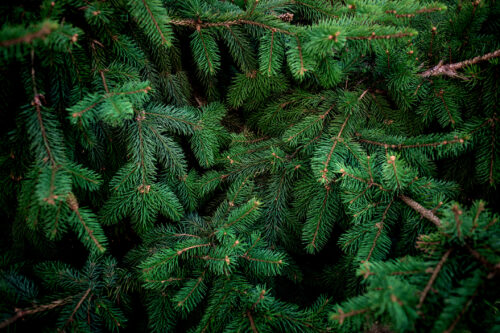
You can usually spot a Spruce by its distinctive reddish-brown, scaly bark. Because of that color, some folks call it the “Red Fir.” These trees grow very straight and tall, giving them a neat, organized look that works well in both forests and large gardens. They are incredibly common across Europe and are beloved for their classic evergreen silhouette.
++Douglas Fir (Pseudotsuga menziesii)
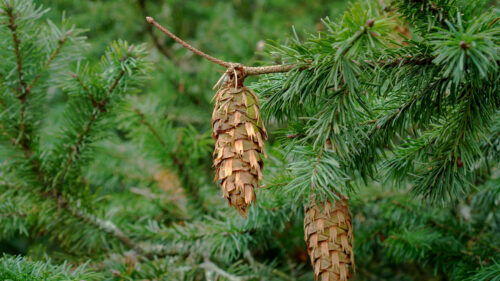
Named after the botanist David Douglas, the Douglas Fir is a powerhouse of a tree. Young trees have smooth bark, but as they age, they develop a thick, rugged, reddish-brown exterior. The wood is famous for being heavy, stable, and great for construction. While they are massive icons in North America, their populations in Europe are a bit smaller due to pests like the Douglas-fir seed chalcid.