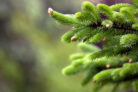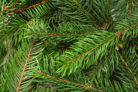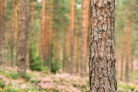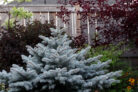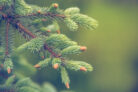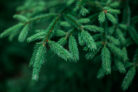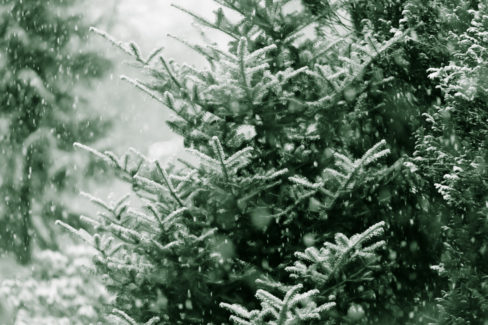
Spruce trees are some of the most iconic evergreens you’ll find in our forests. Even though casual hikers often mix them up with pines or firs, the spruce has some unique quirks and features that make it stand out once you know what to look for.
Common Spruce Varieties
The most famous member of the family is the Norway Spruce. This is the one you’ll see most often out in the woods. It’s a real workhorse of a tree, highly valued for firewood and used to craft everything from sturdy furniture to beautiful musical instruments. Usually, these trees are harvested when they’re in their prime, between 80 and 100 years old.
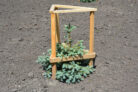
But don’t think they’re all giants! There are plenty of subspecies out there. If you’re looking to add some greenery to your yard or even grow one in a pot, dwarf varieties are the way to go. The Dwarf Alberta Spruce (often called the “Sugar Loaf” spruce) is a fan favorite for landscaping. Some specialized varieties are even perfect for the art of Bonsai.
Growth Habit and Lifespan
If a spruce finds the perfect spot with the right soil, it can be a real old-timer, reaching an age of up to 600 years! They aren’t slow growers either; they put on about 12 inches of growth per year on average, eventually reaching heights of 130 to 200 feet. Just a heads-up for my fellow gardeners: spruce trees spread out quite a bit both above and below ground. When planting, make sure to give them plenty of breathing room away from other plants, your house, or garden walls.
The Perfect Spot
Spruce trees are happiest in locations with full sun to partial shade. The real secret to a healthy spruce is the soil—it needs to be well-draining but kept consistently moist. They don’t handle “thirst” very well; dry soil and drought conditions make them much more vulnerable to pests like bark beetles.
Pests and Diseases
Even these tough trees have their enemies. Some of the most common pests include:
- Bark beetles
- Spruce gall aphids
- Green spruce aphids (Sitka aphids)
The bark beetle is the one you really have to watch out for. It’s a spruce tree’s worst nightmare. Early signs of trouble include needles turning brown and falling off.
Unfortunately, once a tree is heavily infested, it’s usually too late to save it and it has to be cut down. Since bark beetles spread like wildfire to neighboring trees, you’ve got to take an infestation seriously. Because drought-stressed trees are easy targets, hot and dry summers often lead to major outbreaks.
Spruce trees can also fall victim to these two diseases:
- Red rot
- Omorika decline
Both are caused by fungi and are notoriously hard to spot in the early stages. By the time the fungus has really taken hold, it’s usually too late to intervene.
Spruce vs. Pine: How to Tell the Difference
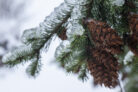
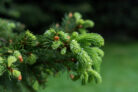
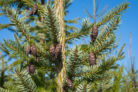
It’s super common to confuse a Norway Spruce with a pine or a fir. The easiest way to tell them apart is by looking at the needles and the cones. But if you look closer, you can also spot the difference in the bark, the overall height, and the shape of the tree’s crown. Happy tree-spotting!