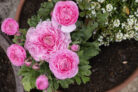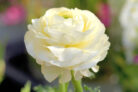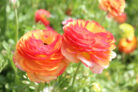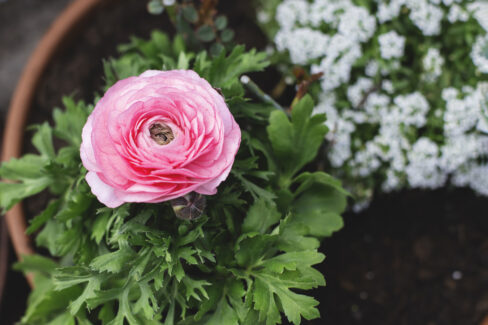
Ranunculus flowers belong to the buttercup family, and let’s be honest—they are absolute showstoppers. Often mistaken for peonies because of those lush, ruffled petals, they bring a serious dose of charm to any spring garden.
Planting Your Ranunculus
If you’re looking for instant gratification, you can pick up established plants at the nursery in late spring. These can go straight into your flower beds or balcony boxes starting in May. However, if you want to see the whole magic process from the start, planting the “bulbs” (which are actually corms) is the way to go.
When to Plant Ranunculus Corms
When you first see these light brown corms, don’t be alarmed! They don’t look like your typical tulip bulb; they actually look a bit like tiny, dried-out octopuses with tentacle-like roots. Those “claws” are all connected at the top, which is exactly where the new growth will sprout.
The best time to get them in the ground is actually the fall. This gives them plenty of time to get established over the winter. But hey, if you missed the fall window, don’t sweat it—you can still plant them in March. Here are a few pro-tips for planting:
- Check your corms for any soft spots or rot before planting. You only want the healthy ones in your soil.
- Give the corms a “bath” by soaking them in water for a few hours before planting to wake them up.
- Dig your holes about 2 inches (5 cm) deep.
- Always plant them with the “claws” facing down.
- Cover them up and press the soil down firmly.
- Space them about 4 to 6 inches apart.
- Hold off on watering until you actually see the first green shoots poking through the soil.
The Perfect Spot and Soil
Ranunculus aren’t too picky, but they definitely have a “happy place.” They love partial shade—somewhere they get plenty of light but are protected from that scorching midday sun. They also prefer a spot that stays relatively cool, moist, and tucked away from harsh winds. This goes for both garden beds and containers.
Before you plant, make sure to loosen up the soil. If you’re dealing with heavy clay, add some drainage like coarse gravel or broken terracotta pieces at the bottom of the hole, because these beauties hate “wet feet” (standing water). They crave nutrient-rich, humus-heavy soil with a pH that’s anywhere from slightly acidic to slightly alkaline. They actually don’t mind a bit of lime in the soil, either!
Bloom Time
Depending on the variety you choose, you can expect a gorgeous show starting in mid-June. The bloom period usually lasts about four weeks, so by late July, the party is usually over for the season.
Growing Ranunculus from Seed
If you’re feeling adventurous, you can skip the corms and grow them from seed. In the garden, you’ll want to scatter the seeds between mid-September and late October. Since Ranunculus are “light germinators,” don’t bury them—just press them onto the surface of the soil. If you prefer starting them in pots, wait until spring; otherwise, the young seedlings won’t survive the winter freeze.
Overwintering Your Ranunculus
You can try overwintering them in the ground, but you’ll need to give them a cozy blanket of brushwood, garden fleece, or compost. For the best results, I recommend digging up the corms in the fall. Store them in a box of dry sand in a spot that is cool, dark, frost-free, and has plenty of airflow. They’ll be rested and ready to go again next year!