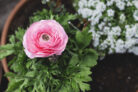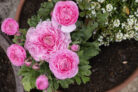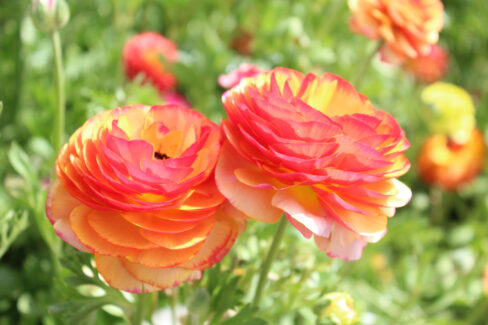
Ranunculus are some of the most stunning early bloomers out there. By May, they’re already showing off those gorgeous, rose-like ball-shaped flowers. If you pick the right spot and keep things on the cooler side, these blooms can actually stick around for several weeks!
When the Blooms Start to Fade
Usually, by mid-July, ranunculus have finished their main show. However, you can actually trick them into blooming a bit longer if you stay on top of deadheading. Here are a few pro tips to keep those flowers coming:
- Pinch off wilting flowers immediately.
- By preventing the plant from making seeds, it redirects all that energy into creating new buds.
- Give them a little boost with liquid fertilizer once a week.
- Water them generously, but make sure they aren’t sitting in soggy soil (they hate “wet feet”).
- Keep them cool! If they’re in a vase, find a chilly spot. If they’re on the balcony or in the garden, make sure they have plenty of shade.
Eventually, even the most stubborn bud will finish blooming. When that happens, it’s time to shift your focus to aftercare so you can enjoy them again next year.
Getting Your Ranunculus Ready for Winter Dormancy
By early August, the flowers are gone and the leaves will start to yellow and wither. This is your cue to change up your routine for the winter. Start by cutting back significantly on water and stop fertilizing (though a tiny bit of plant food is okay until the leaves are completely dried out). Once the foliage is totally brown, clear it away and stop watering entirely. This tells the tuber it’s time to go to sleep. The plant will pull all its energy back into the tuber for storage. Before the first frost hits, you’ll want to get them tucked away for winter. Here’s how:
- Carefully lift the tubers out of the soil.
- Gently brush off any loose dirt.
- Let the tubers air dry for a few days.
- Place them in airy crates or baskets (wrapping them in newspaper helps).
- Try to keep the tubers from touching each other to prevent any rot from spreading.
- Store the crates in a cool, dark, dry, and well-ventilated spot like a basement, garage, or frost-free greenhouse.
If you live somewhere with very mild winters, you might get away with leaving them in the ground. However, if you grow yours in pots, you definitely need to bring them inside—containers can freeze solid, which will unfortunately destroy the tubers.