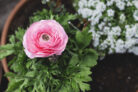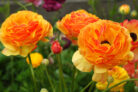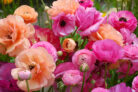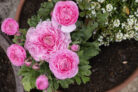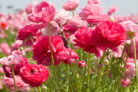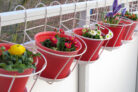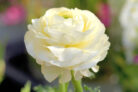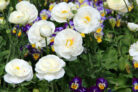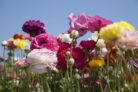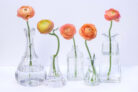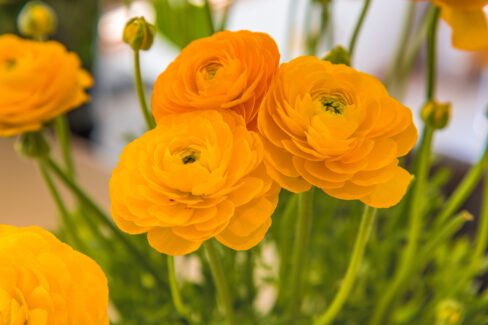
Ranunculus, also known as Persian Buttercups, are stunning members of the buttercup family that really steal the show in the spring. If you want those multi-colored, rose-like blooms to pop at just the right time, getting your planting schedule down is key.
The Best Time to Plant
When it comes to starting your ranunculus, you’ve got three main options: planting the claw-like corms (tubers), buying pre-grown nursery plants, or starting from seed.
If you’re buying established plants from a garden center, wait until May to move them outdoors. You want to be absolutely sure the threat of overnight frost has passed. For the corms, it’s usually best to store them frost-free over the winter and plant them out in early spring. While some gardeners try to keep ranunculus corms in the ground over winter, they aren’t fully hardy. You’d need a heavy layer of mulch, brushwood, or garden fleece to protect them, and even then, that usually only works in very mild climates. If you don’t want to gamble, play it safe: store your corms in a dark, cool, dry, and frost-free spot like a garage, attic, or basement.
If you’re feeling adventurous and want to grow from seed, sow them directly outdoors in mid-September. Just remember: ranunculus are “light germinators,” so don’t bury them deep! Just press them into the soil or cover them with a very thin dusting of earth.
How to Plant Ranunculus Corms
March and April are the prime months for getting those claw-shaped corms into the ground. Here’s my step-by-step guide for success:
- First, soak the corms in water for a few hours. They’ll plump up and “wake up” from their dormant state.
- Plant them about 2 inches deep in nutrient-rich soil. Make sure to give them enough elbow room between each plant.
- If you’re planting in pots, drainage is your best friend. Add a layer of expanded clay pebbles or broken ceramic shards at the bottom to prevent “wet feet.”
- Keep the soil consistently moist, whether they’re in a container or a garden bed.
- Give them a little liquid fertilizer regularly during the blooming phase.
- Pro tip: Keep up with deadheading! Removing wilted leaves and spent flowers will keep the plant blooming longer.
Location and Soil
Whether they’re in the ground or in a patio planter, ranunculus love a spot with partial shade and consistent moisture. However, there’s a big difference between “moist” and “soggy.” These plants are sensitive to standing water, which can lead to yellow leaves and root rot. To prevent this, always ensure you have a drainage layer of gravel or clay pebbles.
The ideal soil should be well-draining but packed with nutrients. Also, try to pick a spot that stays out of the harsh midday sun—your flowers and foliage will stay fresh and vibrant much longer if they aren’t getting baked!