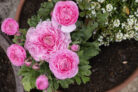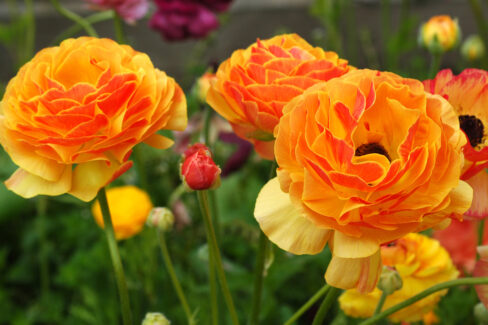
The Persian Buttercup, known botanically as *Ranunculus asiaticus*, originally hails from the Middle East, just as the name suggests. These beauties made their way to Europe back in the Middle Ages and have been a garden staple ever since. Part of the buttercup family, they come in a huge variety of cultivars that gardeners absolutely love.
Location and Soil
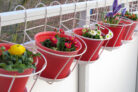
With their bold, punchy colors, Ranunculus are perfect for garden beds, patio containers, or even window boxes. They’re actually pretty low-maintenance! Their happy place is a partially shaded spot with soil that stays consistently moist. You’ll want to avoid full-sun spots, though—these plants aren’t big fans of the heat, and too much direct sun will cause those gorgeous blooms to wilt way too fast. A spot under the dappled shade of trees or shrubs is usually just right.
For soil, a standard high-quality potting mix works great. Just look for these qualities:
- Well-draining (water needs to move through easily)
- Rich in organic matter (humus)
- Nutrient-dense
- Doesn’t get waterlogged
Preventing “wet feet” is key, especially in pots or window boxes. I always recommend adding a drainage layer of gravel or sand at the bottom of your containers to keep water from pooling around the roots. As long as your pots have plenty of drainage holes, your tubers will stay healthy and rot-free.
Growth and Blooms
While these spring favorites *can* handle some sun, the midday heat really takes the wind out of their sails and shortens the life of the flowers. If you want a lush, vibrant display that lasts, stick to a cooler, lightly shaded area. Typically, Ranunculus grow to be about 8 to 16 inches tall and spread about 8 inches wide.
Planting and Care
You’ll want to get your Ranunculus bulbs (which are actually little tubers) in the ground between March and April. Dig your holes about two inches deep and place the tubers in with the “claws” (the roots) pointing down. Pro tip: Soak the tubers in water for a few hours before planting to give them a head start on sprouting! Once they’re in, cover them up, press the soil down firmly, and give them a good drink.
Keep the soil consistently moist but never soggy. You should see sprouts popping up pretty quickly. During their blooming season from April to June, mix a bit of liquid fertilizer into your watering can every two weeks. This keeps the blooms looking spectacular and helps the plant stay strong all season long.