title: Spring Snowflake: Your Quick Guide to This Early Bloomer
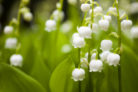
The Spring Snowflake (Leucojum vernum) is often mistaken for Lily of the Valley or Snowdrops—in fact, many people call it the “Giant Snowdrop.” But this little beauty has its own unique personality! Let’s break down everything you need to know about this charming spring messenger in our quick-reference guide.
Key Features at a Glance
Here’s a snapshot of what makes the Spring Snowflake special:
- You might hear it called the “Märzenbecher” in Europe, or simply the “Spring Snowflake.”
- It’s a proud member of the Amaryllis family.
- Its favorite spot to grow is somewhere shady with consistently moist soil. You’ll often find it hanging out near water sources like rivers, streams, or garden ponds.
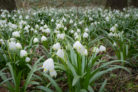
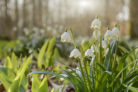
- In the wild, it thrives in damp woodlands and floodplain forests.
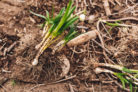
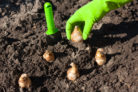
- The Spring Snowflake grows from a bulb.
- These bulbs are usually about one and a half to two inches in diameter and have a reddish-brown outer skin.
- If you want them in your garden, planting should happen in the fall. Once they’re in, you can leave the bulbs in the ground year-round.
- It’s a reliable perennial that pops up every spring.
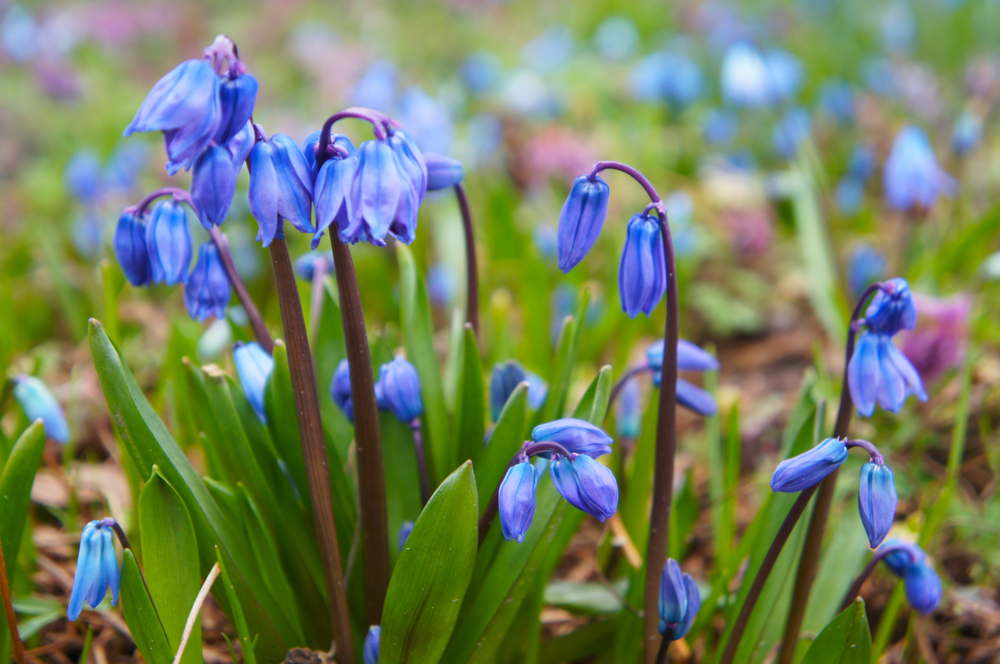
- The leaves are narrow, upright, and a beautiful deep green.
- Patience is key! It usually takes about two years after planting for the first flowers to appear. Once established, it blooms between February and April.
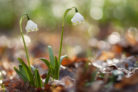
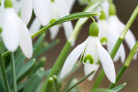
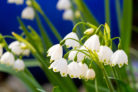
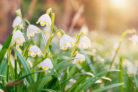
- The flowers look like delicate little white bells.
- Each flower has six petals of equal length, and you’ll notice a signature lime-green or yellowish dot at the tip of each petal.
- If you lean in close, you’ll notice a faint, sweet scent reminiscent of violets.
How to Propagate Spring Snowflakes
Want more of them? You can propagate Spring Snowflakes by either sowing seeds or dividing “offset” bulbs. You can collect these yourself from established plants or just pick some up at your local garden center.
A Quick Safety Note: They Are Toxic
As beautiful as they are, keep in mind that all parts of the Spring Snowflake are highly toxic to humans and most pets. Even just handling the plant can cause skin irritation for some people. If ingested, it can cause serious symptoms like nausea, vomiting, or diarrhea—so it’s definitely a “look but don’t taste” kind of flower!
Protection and Conservation
While you’re free to plant these in your own backyard, they are actually a protected species in the wild in many regions. Because they are threatened by habitat loss, they are often under legal protection. That means picking them or digging them up in the wild is a big no-no and can even result in fines. Stick to the nursery-bought bulbs for your garden!