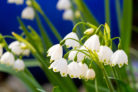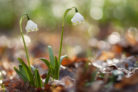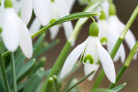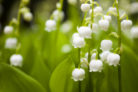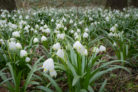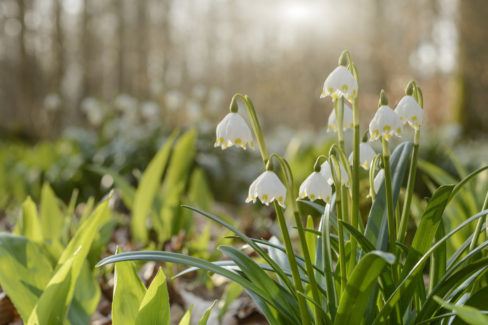
With its romantic white bells and tiny green-tipped petals, the Spring Snowflake (or *Leucojum vernum*) is one of the very first signs of life in the garden each year. Since it’s a protected species, you’ll rarely spot it in the wild anymore, mostly just in specific nature reserves. By growing them in your own backyard, you’re actually doing a great job helping preserve the species! But before you start digging, you need to make sure you’ve got the right spot.
Where do they grow in the wild?
If you want to know where these beauties will thrive in your yard, just look at where they hang out in nature. In the wild, Spring Snowflakes love damp floodplains and deciduous forests with rich, organic soil. They do their thing early in the year and then go dormant once the tree canopy fills in and blocks out the light. Heads up: If you see them out in the wild, look but don’t touch! They are endangered and strictly protected by nature conservation laws.
Finding the best spot in your garden
The Spring Snowflake is an absolute showstopper and literally rings in the spring season with its charming white bells. However, before you get to planting, you’ve got to pick the perfect location. If the spot isn’t right, you might find that they don’t bloom at all—or worse, the bulbs might not even sprout. These plants love light, but they aren’t fans of intense, scorching sun. Your best bet is a spot that gets partial shade to full sun.
Pro tip for better lighting
To give your plants a little boost, try trimming back any low-hanging branches or thinning out nearby bushes. This lets more side-light reach the ground. If your Snowflakes are looking a bit thin or “leggy,” it’s usually a sign they aren’t getting enough light.
Soil preferences
For the most part, these plants are pretty low-maintenance, but they’ll really love you if you provide fresh, moist, nutrient-rich, and loamy soil. The biggest “must” is keeping the soil from drying out, even during the summer. If the ground gets parched, the plant might skip its blooming phase or the bulb could dry out completely. A fantastic spot for them is near a garden pond, where the soil stays naturally moist all year round.
Pro tip for healthy soil
Adding a layer of bark mulch is a game-changer. It helps the soil retain moisture much longer and cuts down on your gardening chores!