Wisteria can grow into a seriously tough and hardy plant, but getting it started is the most critical part. Think of it like raising a teenager—those first few years require the right approach because young plants are way more sensitive than the established ones you see draped over old cottages. Here’s everything you need to know to get your wisteria off to a great start.
What Your Young Wisteria Actually Needs
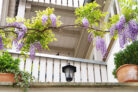
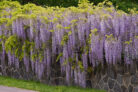
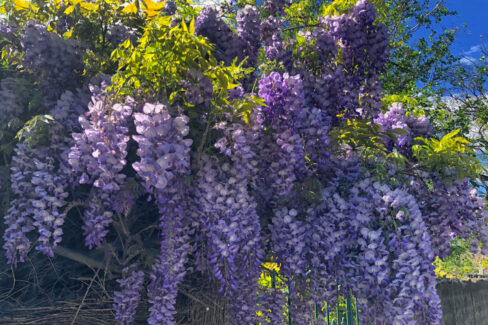
Wisteria is a sun-worshipper and a heavy feeder. Keep in mind that this plant has an incredible drive to grow. As the name suggests, it produces a literal “rain” of stunning blue flowers, but that only happens if it’s in the right location and well-fed. When picking a spot, make sure to keep your distance from walls and pipes, or consider a root barrier. Wisteria roots are powerful and like to spread out.
The ideal soil for your wisteria:
- Loose and well-draining
- A mix of soil and sand, or loamy soil
- Low in lime and low in nitrogen
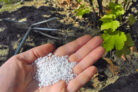
When choosing a spot and fertilizing, there’s one golden rule: keep the nitrogen low. While nitrogen (found in many standard fertilizers or manure) will make the leaves grow like crazy, it actually stunts flower production. If you want those blooms, skip the heavy nitrogen. Also, if you’re planting young cuttings, keep in mind that wisteria usually won’t bloom for the first two years. You’ll need a little bit of patience!
When is the Best Time to Plant?
While a mature wisteria is considered very hardy, young plants aren’t quite there yet. They generally can’t handle a hard frost. Because of this, it’s best to plant them in the spring once the danger of frost has passed. This gives the plant a chance to use that springtime growth spurt to get its roots established in the ground or a pot without worrying about a freeze.
If you decide to start your plant in a container, overwintering is much easier. You can simply move it to a cool, bright spot indoors before the temperatures drop below freezing. This ensures the frost won’t damage the roots or the delicate new branches. Once that first winter is over, give the plant a good pruning to set it up for success.
Helping Your Wisteria Climb
Unless you’re growing your wisteria as a standalone “standard” (tree-form), you’re going to need a solid trellis or support system for it to climb.
Don’t go flimsy here! Avoid thin wooden lattices. As wisteria matures, it becomes incredibly heavy and can easily crush or topple a weak support. If you install a sturdy, heavy-duty trellis from the start, you’ll be able to enjoy that gorgeous “blue rain” of flowers for years to come.