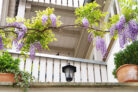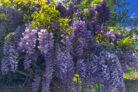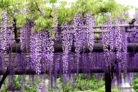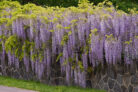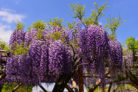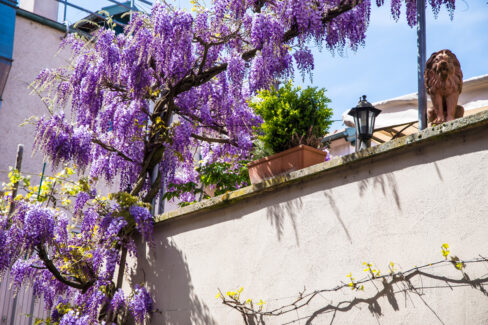
With its iconic “rain” of countless blue blossoms, Wisteria is a showstopper in any garden. It’s no wonder so many container gardeners ask: “Can I actually grow this beauty on my balcony?” The short answer is yes! With a little know-how, you can totally make it work. Here’s what you need to keep in mind.
Understanding Your Wisteria’s Needs
Before you run out to the nursery, there’s one important safety tip: Wisteria blooms and seeds are toxic if eaten. If you have little ones or curious pets running around your balcony, you might want to reconsider. But if that’s not a concern, Wisteria can be a stunning addition to your outdoor space. To keep it happy and healthy, you’ll need to provide a few essentials:
What Wisteria Craves:
- A prime spot in the full sun
- A sturdy trellis or support system for climbing
- Plenty of nutrients (and the right kind of fertilizer)
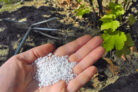
To make sure your Wisteria doesn’t just survive but actually thrives and puts on a floral show, you’ll need to put in a little elbow grease. First, give it a good prune in the spring. This encourages natural growth and helps those famous flowers form. Second, be picky about your fertilizer. Avoid anything high in nitrogen; too much nitrogen will give you tons of green leaves but zero flowers!
Cultivation and Care Tips
If you’re worried about a vine taking over your entire balcony, don’t sweat it—you can keep Wisteria manageable. Beyond just planting it in a large pot, you can actually train it as a “standard” (which is just garden-speak for a small tree shape). With the right structural pruning, you’ll end up with a gorgeous, woody little tree.
Whether you let it climb or grow it as a tree, regular spring pruning is a must. Don’t be afraid to get in there; Wisteria can handle a radical prune quite well. Just remember that Wisteria blooms on “old wood” (older branches). If you trim away everything except the brand-new shoots, you’ll end up missing out on that spectacular blue flower show!