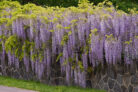
Wisteria is known for being a tough, low-maintenance beauty, but there are a few things you need to know to keep it happy. Getting the pruning right is probably the most important thing you can do to encourage healthy, natural growth. Check out these tips to get your wisteria back in top shape!
Pruning Your Wisteria
Once wisteria is established in the right spot, it grows like crazy. For younger plants, you’ll want to pay extra attention to winter care, but for all wisteria, location and pruning are key. Before you start hacking away, make sure you have the right gear ready to go.
Keep these tips in mind before you prune:
- Grab a pair of sharp garden shears.
- Make sure your shears are clean to prevent spreading disease.
- Wear a good pair of gardening gloves.
- Trim back young shoots while being careful not to damage the buds.
Wisteria blooms on “old wood.” This means when you prune, you want to cut back the new, green shoots to focus the plant’s energy on the flowering spurs. If you only trim a few spots and leave the rest of the long, wispy shoots alone, you’ll end up with way fewer flowers than the plant is capable of producing. Don’t let your wisteria fall short of its potential!
Fixing Pruning Mistakes
Mistakes happen! Pruning off existing buds or cutting too early before the last frost can stress the plant out. If you realize you’ve made a mistake, you might need to do some damage control. If frost has damaged the tips of the vines because of a late trim, go ahead and remove those damaged sections entirely. Don’t be afraid to be a little aggressive—wisteria is incredibly resilient and will grow back.
Make sure the plant is well-watered and getting plenty of sunlight. You can also help it bounce back with the right fertilizer, but stay away from anything too high in nitrogen. While nitrogen is great for leaves, it actually discourages the plant from blooming. Another way to support your wisteria is by providing a sturdy trellis or support structure. This gives those vigorous new shoots a place to climb and stay secure. It’s best to have your support system in place early so the plant can grow right into it!