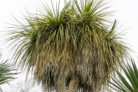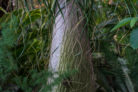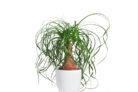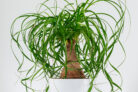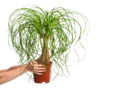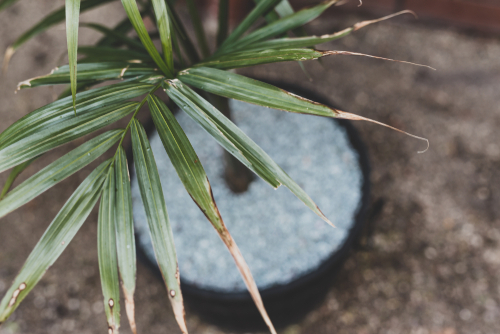
If you notice your Ponytail Palm starting to sprout brown leaves, don’t panic just yet! It’s not always a sign of a major disaster. However, it is a good idea to do a little detective work to make sure your leafy friend stays healthy in the long run.
Possible Causes
When those leaves start turning brown, it usually boils down to two things:
- A totally natural aging process
- A little hiccup in your care routine
No matter what the cause is, you’ll usually see some warning signs first, like:
- Brown leaf tips
- Leaves turning a sickly yellowish color
When Brown Leaves are Just Part of Life
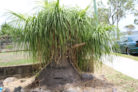
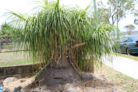
Just like the Dragon Tree (Dracaena marginata), the Ponytail Palm naturally sheds its older leaves. On more mature plants, the leaves at the very bottom of the “ponytail” will eventually turn brown and die off. You can usually just give these a firm tug to remove them. Don’t worry about the light spot left on the trunk; it’ll blend right in over time.
It only becomes a concern if:
- You’re losing leaves faster than the plant can grow new ones at the top.
- Leaves in the middle or the very top of the tuft start turning brown.
If that’s happening, it’s time to take a closer look at your plant’s environment.
Common Care Mistakes
The *Beaucarnea recurvata* (that’s the fancy botanical name) is actually a tough little cookie and pretty easy to care for. Still, even the heartiest plants have their limits. The most common culprits are:
- Watering issues
- The wrong location
Watering Woes
Whether you’ve been a bit too stingy with the watering can or overwatered it, the result is often brown leaves. The biggest danger is standing water. These plants absolutely hate having “wet feet.” Too much moisture leads to root rot, which can sadly be fatal. While they handle drought much better than a flood, they still need a drink every now and then to survive!
Location, Location, Location
Your Ponytail Palm loves a bright, sunny spot. If it’s stuck in a dark corner, it’ll start to struggle and the leaves will turn brown. Also, if you decide to move your plant outdoors for the summer, make sure to acclimate it slowly. If you put it directly into the harsh afternoon sun without a transition period, it can get a “sunburn,” which fries the leaves brown.
Winter Blues and Brown Leaves
Winter brings its own set of challenges for indoor plants. If you see browning during the colder months, it’s usually due to:
- Dry air from the heater
- Not enough natural sunlight
- Chilly drafts or a spot that’s just too cold