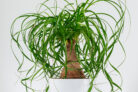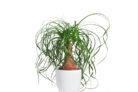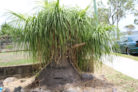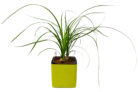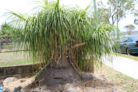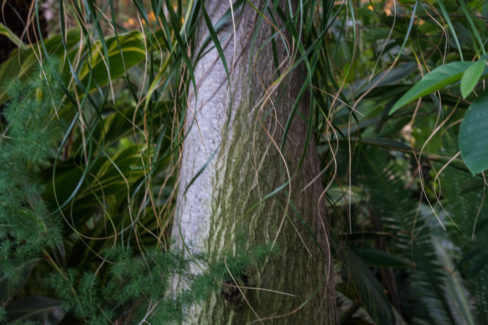
The Ponytail Palm (botanically known as *Beaucarnea recurvata*) is a stunning evergreen that adds a cool, desert vibe to any room. But even though it’s “evergreen,” you might occasionally spot some shedding. Whether you need to panic or just prune depends entirely on why those leaves are dropping.
Natural Leaf Loss
Don’t let the term “evergreen” fool you! While these plants stay green year-round, they aren’t frozen in time. Just like us, they need to refresh their look. Ponytail Palms naturally shed their oldest leaves to make room for new growth.
This is a continuous cycle of renewal. If you notice a stray leaf or two falling off from the very bottom of the leaf tuft, don’t sweat it. As long as the plant is putting out fresh green growth at the top to balance out what’s falling off the bottom, your leafy friend is doing just fine.
When the Balance Tips: Troubleshooting Leaf Loss
If your Ponytail Palm is losing leaves faster than it can grow them, it’s time to play detective. Usually, the culprit comes down to one of two things:
- Watering mishaps
- Fertilizing mistakes
Both of these issues hit the plant where it hurts—the roots—which eventually leads to that sad leaf drop.
Watering Woes
Whether you’ve been a bit too stingy with the watering can or overdid it, your plant will let you know by dropping leaves. If the soil is bone dry and the trunk looks a bit shriveled, give it a “spa day” by setting the pot in a basin of water until it’s hydrated. Once it’s had its fill, let it drain thoroughly before putting it back on its saucer.
On the flip side, if the soil is soggy, you’ve got a bigger problem: root rot. If you suspect overwatering, you’ll need to perform some plant surgery:
- Carefully remove the plant and trim away any mushy, rotting roots.
- Rinse the healthy roots with lukewarm water and let them air dry.
- Repot your palm in fresh, well-draining succulent soil.
- Hold off on watering again until the plant shows signs of recovery.
Fertilizer Fails
If your watering routine is on point, take a look at your fertilizing habits. It’s all about finding that “Goldilocks” zone.
Think you’ve been neglecting the nutrients? Give it a standard dose of fertilizer right away. Just don’t go overboard trying to make up for lost time! Stick to a regular feeding schedule of about once every four weeks during the growing season to nurse it back to health.
If you realize you’ve been a bit heavy-handed with the plant food, stop fertilizing immediately. Give the roots a few months of “clean living” (just water) to recover from the nutrient overload. Once your patient looks stable again, you can resume feeding it every four weeks.