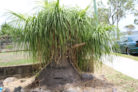
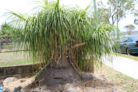
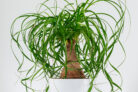
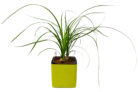
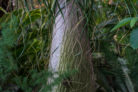
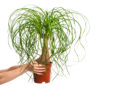
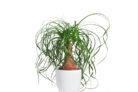
The Ponytail Palm (botanical name *Beaucarnea recurvata*) is a slow-and-steady grower when it’s happy. But if this plant isn’t feeling the love, it can act like a total diva and stop growing altogether. Usually, if your plant has hit a growth plateau, the culprit is hidden somewhere in your care routine.
Common Care Mistakes
For the most part, Ponytail Palms are super low-maintenance. However, little mistakes can fly under the radar for a long time before you notice something is wrong. Common issues include:
- A pot that’s way too small
- Not enough water
- Lack of nutrients (fertilizer)
- A spot that’s too dark
The Pot is Too Small
Because these guys grow so slowly, it’s easy to forget about repotting them. But if the roots are cramped and have no room to move, they can’t efficiently soak up the nutrients the plant needs. This “nutrient traffic jam” can cause your Ponytail Palm to stop growing entirely.
Not Enough Water
While it’s true that Ponytail Palms don’t need much water, they do appreciate consistency. If you let the soil stay bone-dry for ages and then suddenly drown it with a huge splash of water, you’re stressing the plant out. This “feast or famine” cycle drains the plant’s energy—energy that should be going toward new growth.
Lack of Fertilizer
Your plant can’t live on water alone forever! Once the nutrients in the potting soil are spent, you’ll need to step in with some fertilizer. Giving it small, regular doses of nutrients provides the fuel it needs to keep getting bigger and stronger.
Too Much Shade
If you want a happy plant, think bright and warm. That’s the secret sauce for the perfect location. If your Ponytail Palm is stuck in a dark, chilly corner, it’ll just sit there looking sad and won’t grow an inch. Luckily, this is an easy fix—just move it to a sunnier window!
Pest Problems
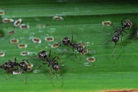
Pests aren’t super common on Ponytail Palms, but you shouldn’t rule them out. While leaf-dwelling bugs are easy to spot, the ones that suck on the roots are much sneakier. If your care routine and lighting are on point but your plant still isn’t growing, it’s time to check the root ball for pests.
If you do find any uninvited guests, you’ll need to repot the plant in fresh soil immediately. Make sure to trim away any diseased or infested roots before settling it into its new home.