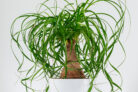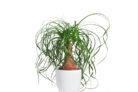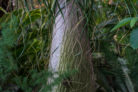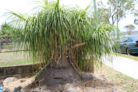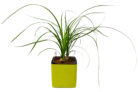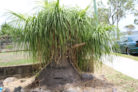
If you’ve noticed your Ponytail Palm looking a little pale lately, don’t panic! Light-colored leaves aren’t always a disaster, but they are usually a “heads up” from your plant that something is a bit off. To get that vibrant green back, you’ll want to take a quick look at its environment and your care routine. Once you find the culprit, it’s usually a pretty easy fix.
What exactly counts as “pale”?
When a *Beaucarnea recurvata* (that’s the fancy botanical name for our Ponytail Palm friends) is happy and healthy, its mature leaves are a deep, rich green. Now, if you see light green growth right at the very center of the crown, don’t worry—that’s just new baby leaves coming in, which is totally normal. You might also see older leaves at the very bottom of the tuft turn pale, then yellow, and eventually drop off. That’s just the plant’s way of renewing itself.
However, if you’re seeing pale leaves scattered all over the plant, it’s time to play detective. While it’s not an immediate emergency, your plant is definitely trying to tell you something. Usually, it comes down to one of these three things:
- Not enough light
- Watering mishaps
- Fertilizer issues (too much or too little)
Not enough light
Ponytail Palms absolutely love a bright, sunny spot. If they’re stuck in a dark corner, those leaves will start to lose their luster and turn pale. This is super common during those gloomy winter months when the sun decides to go into hiding. If your plant is looking washed out, try moving it closer to a south-facing window.
Watering mishaps
The cool thing about the Ponytail Palm is that thick, bulbous trunk—it’s actually a built-in water reservoir! This means it can handle a bit of neglect, but it’s not invincible. If that reservoir runs dry, the leaves will start to lighten up. On the flip side, if you’re overwatering and the roots are sitting in soggy soil, the leaves will also turn pale as a sign of stress. Your best bet? Check the soil before you grab the watering can and make sure it’s dried out a bit.
Too much or too little fertilizer
These plants are pretty low-maintenance, but they still need a little “snack” every now and then. If you never fertilize, the plant eventually runs out of fuel. But if you get a little too enthusiastic with the plant food, the buildup of nutrients can actually stress the plant out. In both scenarios, the leaves end up looking a bit sickly and pale.
To get things back in balance, you’ll need to adjust based on your history:
- If you’ve been overdoing it, take a break from fertilizing for a while.
- If you haven’t fed it in forever, give it a light dose of liquid fertilizer.
Once your plant is back to its old self, a good rule of thumb is to fertilize about once every four weeks during the growing season.