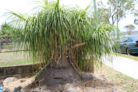
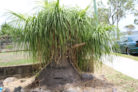
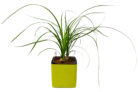
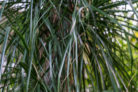
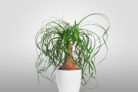
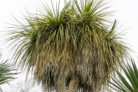
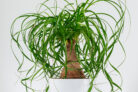
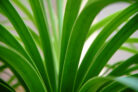
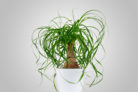
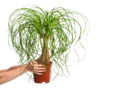
Back in its native Mexico, the Ponytail Palm (botanically known as *Beaucarnea recurvata*) thrives in hot, dry steppes and semi-deserts. Because this plant is perfectly adapted to those harsh conditions, we want to mimic that environment as much as possible when growing them in pots at home.
Ponytail Palm: The Best Temperatures for Every Season
Since our local climate is a far cry from a Mexican desert, you’ll need to adjust your plant care based on the time of year to keep your Ponytail Palm happy.
Ponytail Palms in the Summer
Summer is the time of year that feels most like home for these plants. They handle high temperatures like champs, whether they are living indoors or spending the season outside.
For indoor-only plants:
- Protect them from the harshest midday sun.
- A sheer curtain is usually all you need to filter the light.
For plants on the balcony or patio:
- Make sure to protect your plant from constant rain or heavy downpours to avoid root rot from standing water.
Ponytail Palms in the Fall
For indoor-only plants:
- You can ditch the sun protection now.
- Give your plant as much direct sunlight and warmth as you possibly can.
For the outdoor crowd:
- Bring them inside once temperatures dip toward 50°F (10°C).
- It’s okay to shuffle them back and forth (inside at night, outside during the day) for a little while.
- Eventually, move them to their winter quarters where temperatures stay between 50°F and 60°F (10°C–15°C).
Ponytail Palms in the Winter
For indoor-only plants:
- These guys can usually stay in their normal spot all winter.
- Just make sure the temperature doesn’t drop below 50°F (10°C)—be extra careful with unheated sunrooms!
For plants in winter storage, keep things consistent throughout the chilly months.
No matter where your Ponytail Palm spends the winter, keep it away from drafty windows or doors. *Beaucarnea recurvata* absolutely hates sudden temperature swings and drafts.
Ponytail Palms in the Spring
For indoor-only plants:
- Keep an eye out for that first “strong” spring sun; you might need to provide a little shade so the leaves don’t burn.
For plants heading back outside:
- Your plant will appreciate the rising temperatures in its winter spot. However, to prevent the leaves from getting scorched when they finally hit the patio, you should:
- Gradually move the plant to brighter spots if it spent the winter in a dark room.
- Wait until mid-May (after the last frost) to start the outdoor season.
- Slowly acclimate the plant to direct sunlight over a week or two.