Bonsai is a fascinating garden art form that most of us associate with Japan, though its roots actually trace back to ancient China. At its heart, bonsai is all about the art of “miniaturizing” trees and shrubs, using specific techniques to limit their growth while shaping them into beautiful, living sculptures.
The Art of Bonsai Cultivation
To turn a regular plant into a bonsai, you generally focus on two things:
- Growing it in a shallow container or pot.
- Using specific maintenance techniques (like pruning) to keep it small.
Through this artistic process, you can guide the plant into a specific, aesthetically pleasing shape that mimics a full-grown tree in miniature.
Choosing the Right Plants for Bonsai
While you can get creative, the best candidates for bonsai are usually woody shrubs or trees that feature small leaves or needles.
Common outdoor favorites include pine, spruce, beech, and juniper. If you’re looking for indoor options, woody houseplants like the Weeping Fig (Ficus benjamina) or Chinese Privet (Ligustrum sinense) are classic choices for bonsai enthusiasts.
The Ponytail Palm as a Bonsai?
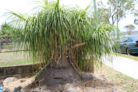
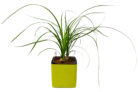
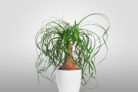
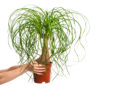
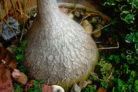
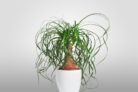
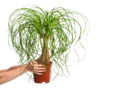
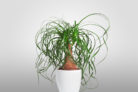
Now, let’s talk about the Ponytail Palm (Beaucarnea recurvata). It’s not exactly your “textbook” bonsai plant, but you’ll occasionally see young specimens with short trunks and compact leaves being sold as bonsai online. Because of its unique look, it’s definitely a tempting choice for succulent lovers.
Keeping Your Ponytail Palm Small
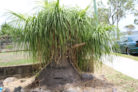
One thing the Ponytail Palm has in common with traditional bonsai trees is longevity—these plants can live for a very long time. Since they only grow a few inches per year, it takes ages for them to reach a massive size. This slow-and-steady growth is exactly why some people consider them a good fit for the bonsai lifestyle.
The Pruning Problem
Here’s where things get a little tricky: pruning. Essential bonsai techniques like shaping and structural pruning don’t always work well with Beaucarnea recurvata. Unlike a typical maple or pine, you can’t just trim any part of this plant without consequences.
If your Ponytail Palm is getting too tall for its bonsai look, you *can* cut the trunk. The plant usually handles this well and will respond by sprouting two or three new side shoots. This branching is actually a great look for a bonsai!
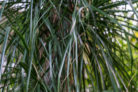
However, the leaves are a different story. They grow in a “tuft” or crown at the top of the stem, making it almost impossible to do a traditional “shaping” trim. If you try to shorten the leaves, the plant won’t be happy—you’ll likely end up with brown tips. And unfortunately, cutting those brown tips off just leads to more browning, so it’s a bit of a losing battle.